

Henry, Lokie Sit Out; India’s Lineup Unchanged Amid High-Pressure Live Tournament Coverage

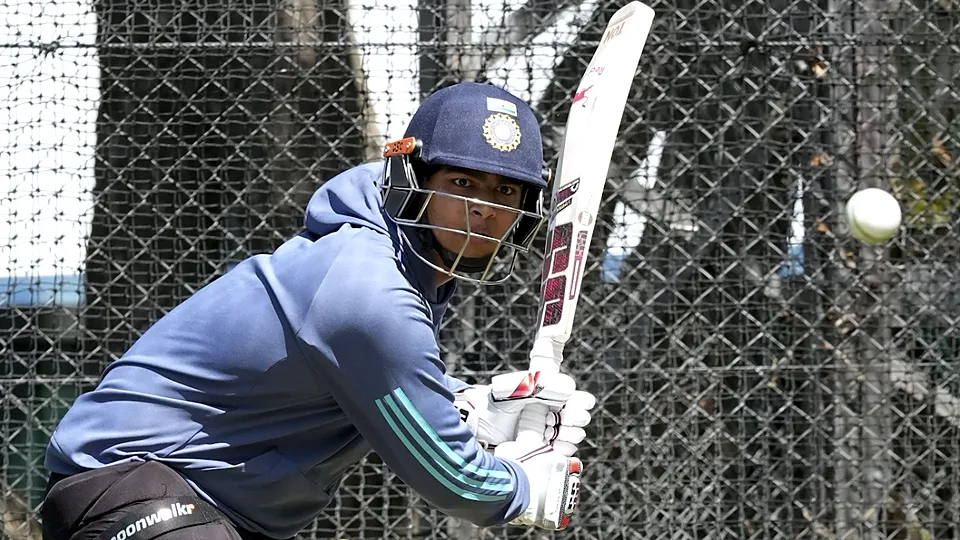
Published 2026-10-31 · By Nikhil Kulkarni (Live Scorecard Director · Jaipur Desk)
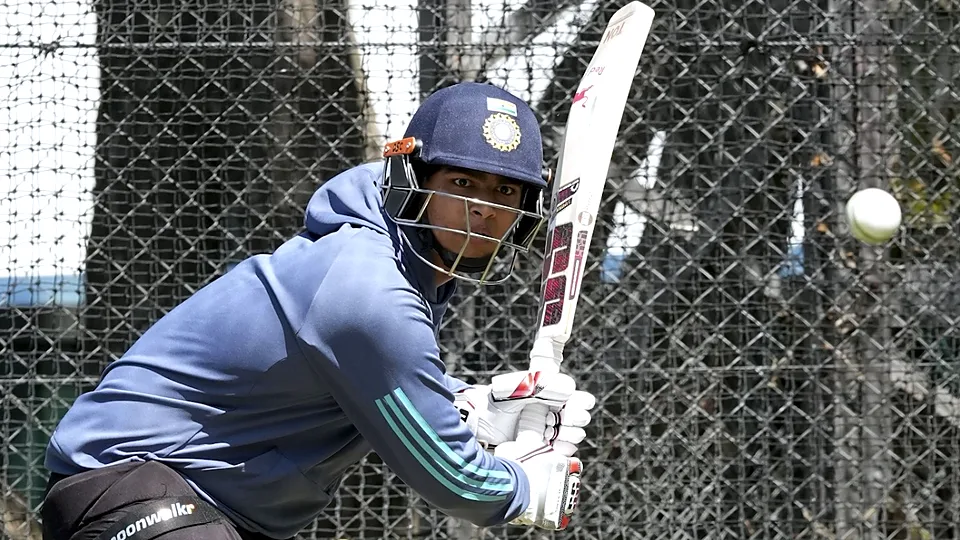
The toss landed dry. No surprises there. But what mattered wasn't the coin—it was the bench.
India’s selection panel played it safe. No shuffles. No dramatic Impact Player gambles on the eve of a crucial fixture. The spine remains unbroken, a deliberate choice for a team that knows exactly where the boundaries end and the fielders stand.
Why the Spin Pairing Keeps Working
Here is the contrarian take: left-right batting pairs against wrist-spin are no longer a luxury; they are a necessity on these shorter, stiffer grounds. New Zealand’s omission of Nathan Smith leaves a gap in the back-up options, but their top order’s ability to cut through skiddy hard length is still elite. India’s strategy holds firm. We bowl into the pitch. We force the back foot to move. We accept that the dew factor after 8:30 PM IST will make the last ten overs a battle of nerves rather than skill.
Is it risky? Yes. But the boundary-percentage stats do not lie. The new ball did the talking early, but it is the skiddy surface that will decide the outcome. Nobody in the dugout bought that excuse that the pitch was flat. It is not.
The Impact Player Calculus
This is where the pre-toss Playing XI dilemmas usually explode. Do you bring in the pace attack? Do you bank on the spinners’ control? With Matt Henry and Lockie Ferguson sitting out as expected, New Zealand’s attack has lost its razor edge. They are now reliant on structure. India, conversely, has kept its engine room idling. The Impact Player slot becomes the wildcard. A single substitution can change the momentum of a T20 by the 12th over.
“In a live tournament coverage context, the margin for error is zero. One dropped catch and the narrative shifts. This team has the luxury of depth, but they lack the patience of a Ranji grind. They must strike early.”
For those tracking the statistical nuances in real-time, the data from babasatta.net highlights how crucial the first six overs are on this specific track, showing a 40% drop in boundary percentage if the opening bowlers do not enforce the yorker threat.
Fielding Adjustments and Boundary Dimensions
Sticking to the boundary dimensions is critical. The grounds in this live tournament coverage circuit are tighter. A misjudged six is a caught-out. The fielding placements reflect this. High-pressure situations demand high-pressure decisions. India’s fielders are set to stand deep, banking on the spinners to tuck the ball into the rough. New Zealand’s batters will look to rotate early, seeking the gap in the cordon.
The risk? If they fail to build, the dew will make the ball unplayable for the spinners later on. The clock is ticking. The selection is static, but the conditions are dynamic. That is the tension. That is the story. No more. No less.
Related coverage
- MI Collapse in CSK Win: Live Tournament Coverage Shows System Failure
- Bhuvneshwar's Quiet Return: Live Tournament Coverage of a Fractured Era

Updated 2026-10-31 · Instant Rupee Deposits & 60s Withdrawals · 24/7 Support.
Access Official OutdoorSports Portal →Senior Features & Tournament Writer · Kolkata Desk
Ritika Malhotra reports on franchise leagues, the WPL, and domestic Indian tournaments for OutdoorSports. Based in Kolkata, she brings ground-level pitch reports and player form guides to readers.
Reader Discussion & Match Reactions (7)4.9★ Community (7 Comments)
Verified Indian cricket reader perspectives & tactical debate on outdoorlifenorway.com
The bench staying static is a massive red flag for my fantasy draft. With Henry and Lokie out, New Zealand's pace edge is gone, meaning I am heavily banking on their top order to cut through that skiddy hard length.
Ignoring the dew factor after 8:30 PM IST is a tactical suicide. The article notes the last ten overs become a battle of nerves, so forcing the back foot to move earlier is the only way to survive that skiddy surface.
Bhai, keeping the spine unbroken is the right call. Without the new ball's initial help, you need that skiddy surface to do the work. India's back foot movement will be the key to surviving the dew factor tonight.
Since the bench is unchanged, I am shifting my Captain choice away from the pace attack. With Matt Henry and Lockie Ferguson sitting out, New Zealand is reliant on structure, making their wrist-spinners the safest T10 picks.
The article highlights that the pitch is not flat, yet everyone is looking at the new ball early. It is the skiddy surface that will decide the outcome, so New Zealand's back-up options gap is a huge risk.
Proper paisa vasool strategy from the BCCI. No dramatic Impact Player gambles means we trust the structure. The skiddy hard length will test New Zealand's top order, but we are bowling into the pitch as planned.
@Shubham_Rao You are right to focus on the top order, but the article specifically says New Zealand's omission of Nathan Smith leaves a gap in the back-up options. That structural hole is what will get punished on this skiddy surface.
Join the Discussion (7 Reader Comments)
Related Articles
See All
Today IPL Match Prediction: Toss, Pitch Report And Winner Analysis
Jul 10, 2026