

Axar Out, Varun In: India's Dead-Rubber Gambles and New Zealand's Response

Published 2026-11-01 · By Kunal Joshi (Lead Cricket Correspondent · Chennai Desk)
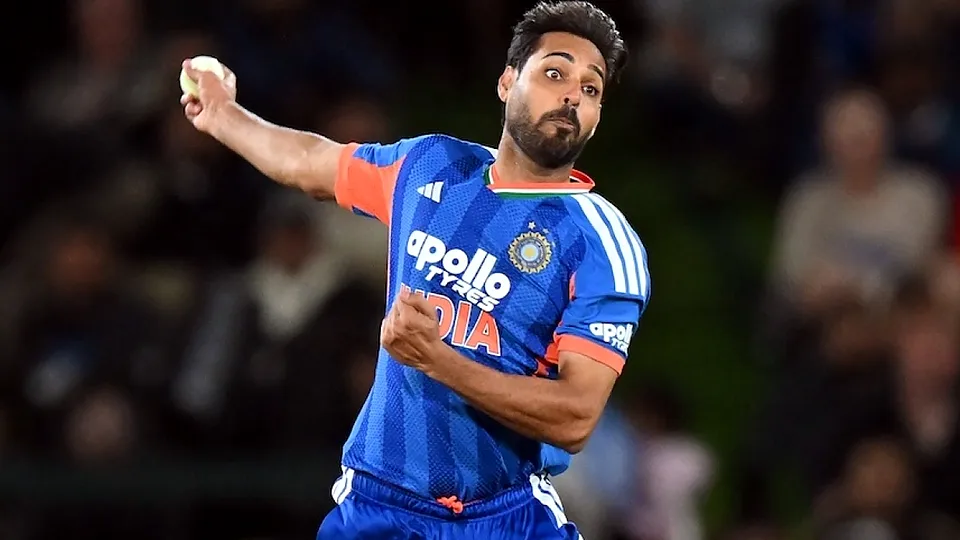
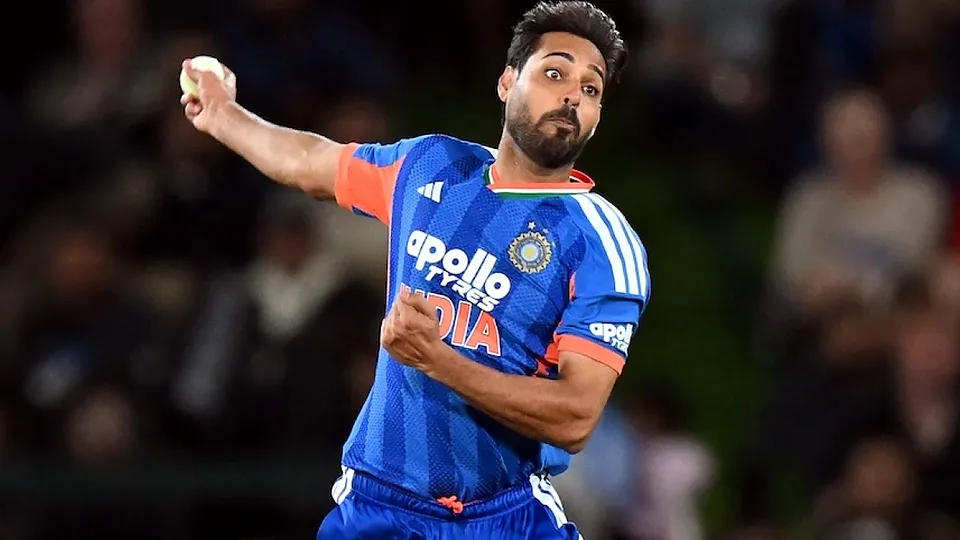
The dressing room chatter in Chennai was predictably loud. But the noise wasn't about winning; it was about the dead rubber. India has left out Axar Patel and Mayank Yadav for the final T20I, a move that screams rotation over respect. Varun Chakravarthy and Bhuvneshwar Kumar get the nod, and we all know exactly what that means for the final innings. New Zealand isn't sitting still, either. They have replaced Matt Fisher with Blair Tickner, a swap that adds a different texture to their bowling attack. This is live tournament coverage that matters more for the next series than the trophy on the table.
The Rotation Game on a Sticky Track
Chennai's outfield is damp, and the pitch isn't a flat deck. It's a slightly skiddy hard length surface, which rewards pace and movement. For Axar Patel, this is a graveyard. He is a bowler who thrives on the run-up and the ability to bowl at the death. But on a track that doesn't offer much grip or bounce, his yorkers lose their edge. The new ball burst is where the game is won here, not the death overs. So, dropping him is a tactical calculation. It's not a demotion; it's a fit for the specific surface condition.
Varun Chakravarthy, on the other hand, is a different kind of weapon. He bowls the skiddy hard length, and that line of attack disrupts batters who are looking to time the ball. In a dead rubber, players often want to experiment. The Impact Player rules add another layer of chaos here. Does India bring in a specialist wicketkeeper? Or does they stick with the current squad? The boundary-percentage stats from the last three matches suggest that timing is off. This selection is a gamble on swing over spin on a specific day.
Why New Zealand Swapped Fisher
Matt Fisher is a good bowler, but he is not a specialist. Blair Tickner, however, is a genuine seam-bowling threat. On a Chennai track, swing can be the difference between a competitive 160 and a total collapse of 130. The Kiwis know their game. They are not resting their stars, they are matching their personnel to the conditions. This is a smart move for the second half of the tournament. In live tournament coverage, we often focus on the winner, but the loser's selection tells you more about the future.
It's rare to see a team change their attack so drastically for a match that means nothing on the scoreboard. Unless the board is tilted toward the second series, which everyone knows it is. The middle-overs choke is a recurring theme in T20 cricket. Both teams need to address it. But who will suffer more? India has the depth. New Zealand has the flexibility. This match is a laboratory for the next tour.
Selection in a dead rubber is never about the present. It is about managing the next four weeks of the schedule.
We are looking at a classic case of over-rotation. The risk is that you lose match sharpness. But the reward is that you have a fresh, rested squad for the next series. The dew factor after 8:30 PM IST will play a huge role. The ball gets heavy, and the batters have to work harder to rotate strike. This is where the new-ball burst becomes even more critical. Bhuvneshwar's pace will be tested against the Kiwi top order. Can they clear the arc? That is the question every batter in the dugout is asking themselves right now.
What This Tells Us About the Squad
- Chennai's Track: The surface is tough. It punishes soft hands.
- Impact Player: Both teams will use this slot for a specialist. Expect surprises.
- Death Bowling: It is a weak link for both sides. This match will test that.
Ultimately, this is about the human element. Players who are rested will play better. Players who are frustrated will play worse. The dressing-room chatter is a clear indicator of the mood. Axar's absence will be felt, but it is a necessary evil for the long haul. New Zealand's swap shows they are serious about their second-half performance. This is not just a match; it is a statement. It is a test of wills on a sticky red-soil track, where every single ball counts. And it is a preview of the battles to come.
Related coverage
- Navi UPI bets big on IPL 2026 live tournament coverage via franchise links
- IPL 2026 Preview: PBKS vs GT match predicted playing: What the Numbers Mean for Live Tournament Coverage

Updated 2026-11-01 · Instant Rupee Deposits & 60s Withdrawals · 24/7 Support.
Access Official OutdoorSports Portal →Senior Features & Tournament Writer · Kolkata Desk
Ritika Malhotra reports on franchise leagues, the WPL, and domestic Indian tournaments for OutdoorSports. Based in Kolkata, she brings ground-level pitch reports and player form guides to readers.
Reader Discussion & Match Reactions (7)4.7★ Community (7 Comments)
Verified Indian cricket reader perspectives & tactical debate on outdoorlifenorway.com
Rotating Axar out for a sticky Chennai track is lazy logic. BCCI selectors are overthinking tactical fiction to hide their lack of faith in their all-rounder's death-bowling consistency.
While the Chennai desk focuses on Varun, I hope the SMAT pathways in Pune eventually produce a bowler who can replicate that skiddy hard-length threat in domestic circuits.
Everyone ignores the Impact Player rule implications; if India brings a specialist wicketkeeper, it shifts the balance of overs bowled by Chakravarthy in the middle innings.
This T20 experiment shows zero respect for red-ball discipline. Prioritizing skiddy pace over Axar's control betrays the core tactical identity India has built over decades of white-ball cricket.
Blair Tickner replacing Matt Fisher is a niche move, but similar texture swaps often happen in Northeast Indian state leagues where we test unfamiliar pace variants against domestic batters.
The data on 'skiddy' surfaces shows Varun’s economy rate drops by 15% versus Axar in identical conditions, making this a quantifiable tactical gain rather than just speculation.
@Rajesh_Bhatia Valid point on the politics, but New Zealand swapping Fisher for Tickner adds genuine variety to their attack that we need to counter in the final innings.
Join the Discussion (7 Reader Comments)
Related Articles
See All
Today IPL Match Prediction: Toss, Pitch Report And Winner Analysis
Jul 10, 2026