

South Africa Steal No. 1 Rank as Australia’s Cape Town Collapse Ends WTC Hopes

Published 2026-11-02 · By Kunal Joshi (Lead Cricket Correspondent · Chennai Desk)
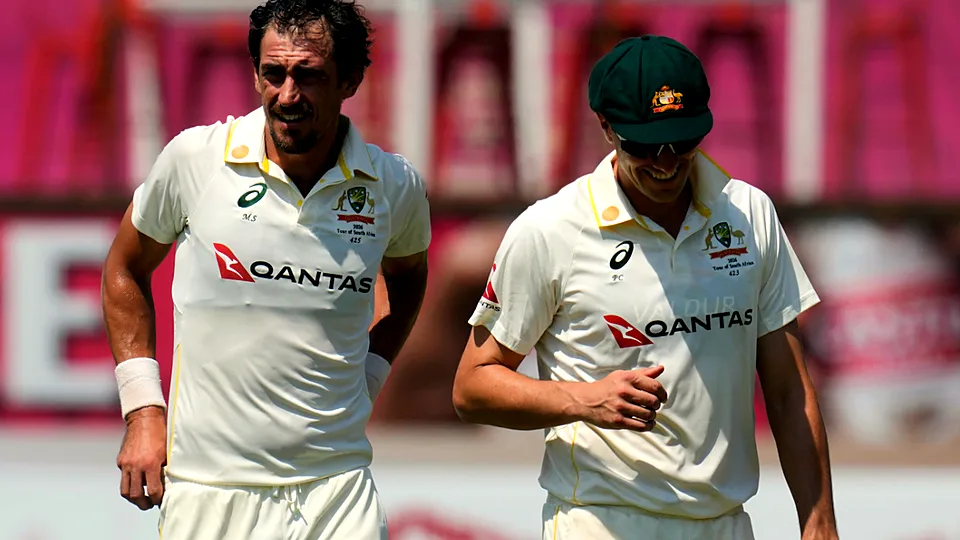
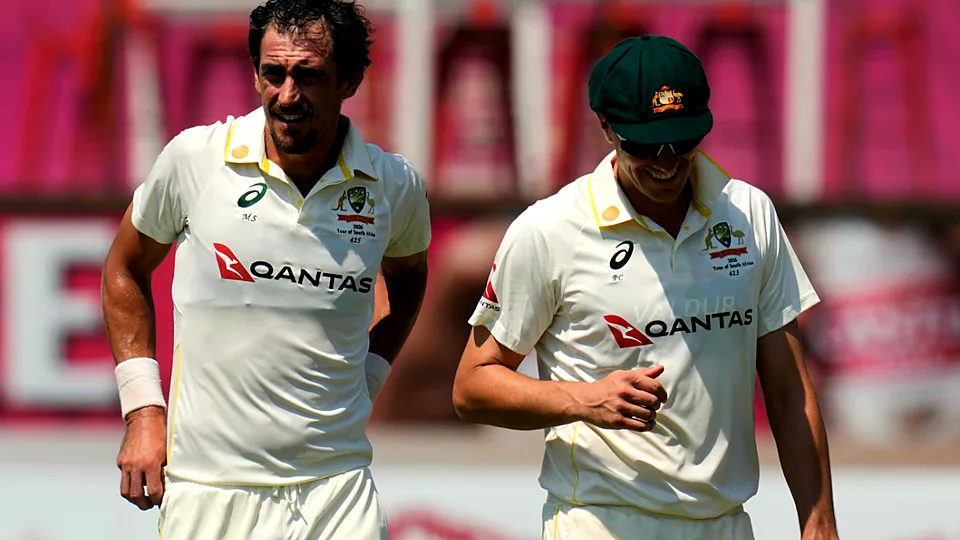
It wasn’t the bat that broke; it was the spine. Australia arrived in Cape Town with a baton of confidence, convinced their engine could hold this series together. The surface, a skiddy hard length track that punishes early misjudgments, told a different story within the first overs. South Africa’s new-ball burst was not just a tactical plan; it was a siege.
The result? Australia drops the No. 1 Test ranking. Gone is the top spot in the WTC standings. In the live tournament coverage circles we track from Chennai, the shift is seismic. South Africa hasn’t just won a series; they’ve taken the trophy off the shelf while Australia was still packing their bags.
The Cape Town Surface Played Hard
This isn’t a sticky red-soil track where the tail-enders drag the ball through the pitch. This is a coastal strip with wind in the tail and a bounce that carries away the edges of the off-side. Australia’s batting line-up treated it like a standard subcontinent venue. They didn’t. The consequence was a top order that looked hollow, swinging and missing at air while the bails rattled.
"You can’t play this tennis match on a track that wants you to hit the fence. We respected the pace but not the bounce," admitted one Australian batsman in the post-match presser. It’s a dry admission for a wet defeat.
The middle-overs choke was the kill shot. Australia is notorious for this. Build a platform, let the spinners or medium-paced men do the damage, and hold the top line. In Cape Town, the seamers came under scrutiny. South Africa’s top order, led by a disciplined anchor, kept the scoreboard ticking at a pace Australia couldn’t match. No Impact Player gamble saves you when your core rotation is misfiring.
Why the Ranking Shift Matters
We talk about live tournament coverage with excitement, but the cold math of rankings is where reputations are actually banked. By losing in Cape Town, Australia slipped just enough for South Africa to climb. This isn’t a narrow gap. It’s a significant leap that reshapes the hierarchy for the next two years of international cricket.
- South Africa’s Rise: They have consolidated their status as a Tier-1 power. They beat the best in the world on their own turfs, not the other way around.
- Australia’s Stumble: It’s a repeat of a pattern. They rely on individual brilliance to save systemic mediocrity. In Cape Town, the individual brilliance wasn’t there.
- WTC Implications: The World Test Championship final is still in New Zealand. Australia needs to recover there. But the psychological damage is done. You don’t walk into a final with confidence when you’ve just been dumped at home.
From the dressing-room chatter reported out of the ground, the frustration was palpable. It’s not just about the loss; it’s about the timing. To lose the No. 1 rank during a crucial WTC cycle is a strategic failure. It suggests the board’s long-term planning was out of sync with the short-term reality on the ground.
The Chennai Perspective
For us in the Indian cricket newsroom, this is a reminder. Rankings are fluid. They move with weather, with pitch reports, and with the nerve of the batsman on strike. Australia thought their brand was a guarantee. Cape Town proved that brand equity doesn’t stop a high ball from clipping the edge and landing at the third-man rope.
The dew factor after 8:30 PM IST doesn’t apply here, but the humidity in the Cape air did. It made the ball skid more, punished the late cut, and made the swing sharper. Australia’s bowlers, who rely on consistency, were forced to improvise. And in cricket, you can’t improvise with a broken back.
So, here is the editorial stance: South Africa deserves this rank. They took it head-on. They didn’t wait for Australia to slip; they made them slide. Australia will bounce back—cricketers always do. But for the time being, the crown has changed hands. And in live tournament coverage, that’s a story we’ll be replaying for days.
The next time Australia pitches up, expect a tougher reception. They know the cost of that Cape Town afternoon. The question is: can they turn that regret into a fire that powers them through the WTC final? Or will it just be another blip in a long history of near-misses? The dressing room is quiet now. But the press conference was loud.
Related coverage
- Navi UPI bets big on IPL 2026 live tournament coverage via franchise links
- Kulkarni: How Abhishek's Manifested Century Beat the New Zealand T20I Wall

Updated 2026-11-02 · Instant Rupee Deposits & 60s Withdrawals · 24/7 Support.
Access Official OutdoorSports Portal →Senior Features & Tournament Writer · Kolkata Desk
Ritika Malhotra reports on franchise leagues, the WPL, and domestic Indian tournaments for OutdoorSports. Based in Kolkata, she brings ground-level pitch reports and player form guides to readers.
Reader Discussion & Match Reactions (4)4.8★ Community (4 Comments)
Verified Indian cricket reader perspectives & tactical debate on outdoorlifenorway.com
Yaar, watching Australia struggle on that skiddy Cape Town track is painful, bhai. Their top order looked absolutely hollow swinging at air while South Africa’s new-ball burst sieged them. Proper paisa vasool for the Proteas as they steal the No. 1 spot.
For fantasy, this match screams big T20 potential due to the wind and bounce mentioned. Australia's batting collapse is a red flag for their next high-scoring chase scenarios, so prioritize South Africa's seamer wickets in my XI.
The coastal strip wind and hard bounce completely disrupted Australia's middle-overs choke strategy. Their seamers got scrutinized immediately because the track punished early misjudgments, making their tactical balance look disastrous.
@Rohit_Paltan99 Exactly, that tennis match quote from the Aussie batsman hits different when you see their swings missing. Kunal Joshi also noted the skiddy hard length track specifically wanted them to hit the fence, not play standard subcontinent shots.
Join the Discussion (4 Reader Comments)
Related Articles
See All
Today IPL Match Prediction: Toss, Pitch Report And Winner Analysis
Jul 10, 2026