

India’s Toss Gamble, Nabi & Kamboj In XI – Live Tournament Coverage

Published 2026-11-07 · By Nikhil Kulkarni (Live Scorecard Director · Jaipur Desk)
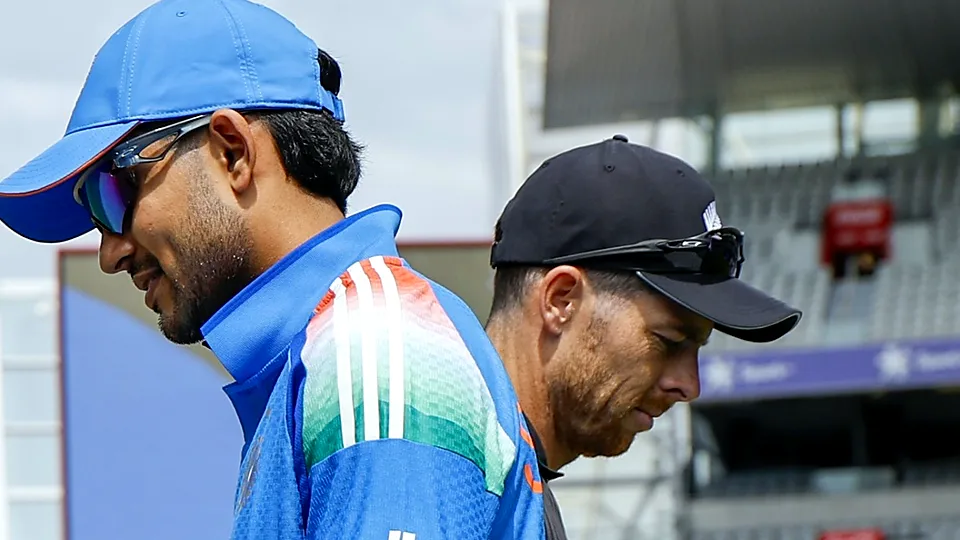
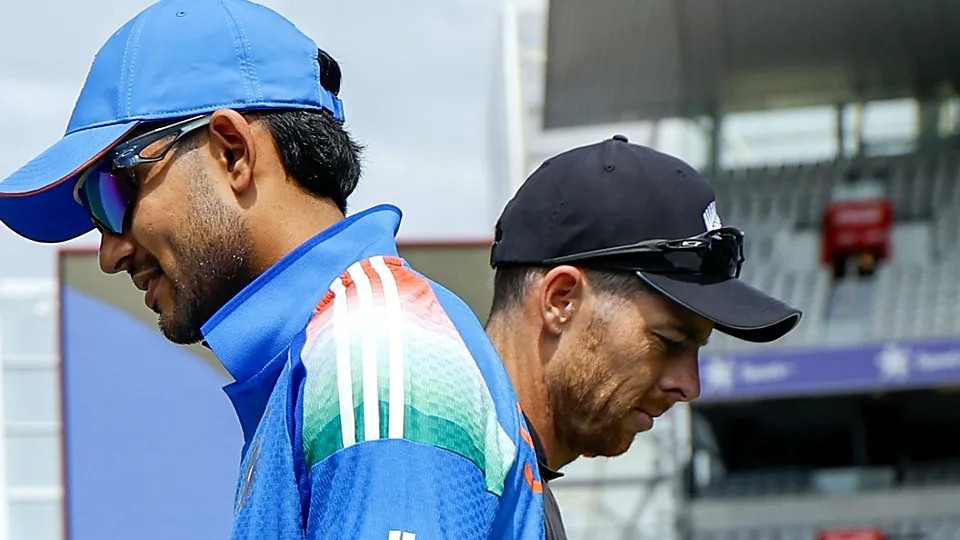
The toss at Saurashtra Cricket Association Stadium was a blur of white‑flannel and murmurs – India chose to bowl first, a decision that set the tone for a 50‑over thriller.
Impact Player gamble pays off
Fast‑bowling coach Amit Mishra pulled a rabbit out of his hat: Auqib Nabi, a right‑arm seamer with a skiddy hard‑length, got the nod. Beside him, left‑arm pacer Anshul Kamboj, fresh off a Ranji grind, earned his first‑class cap. The duo replaces the usual two‑front‑line veterans, turning the impact‑player rule into a strategic lever.
Why this shift matters? The New Zealand side opens with a wrist‑spinning trio that thrives on the sticky red‑soil track after the early overs. A right‑arm and left‑arm combo forces the Kiwis to constantly adjust their footwork, a subtle advantage on a ground where boundary dimensions are tighter on the leg side.
Left‑right balance vs wrist spin
Tim Seifert, the veteran New Zealand keeper‑batsman, earned a recall after a three‑year ODI exile. His presence adds a left‑handed firepower that dovetails with India’s left‑right batting plan. The XI features Shivam Dube at number three, a left‑handed power‑hitter, and Ruturaj Gaikwad on the opposite flank. The plan? Rotate the strike, exploit the out‑of‑the‑square field, and keep the wrist‑spinners guessing.
When the first over rolled out, the new ball did the talking. Nabi’s first delivery clipped the top‑edge, a sign of the skiddy seam that will trouble the Kiwi batsmen on the skidding hard‑length. Kamboj followed with a slower ball that barely rose, a clear signal that India is not afraid to vary pace early.
Boundary maths and bowling into the pitch
Jaipur’s own ground‑reporters have noted that the SCA stadium’s square boundaries hover around 68 metres, while the straight fences stretch to 73. That extra five metres on the straight side means a well‑timed loft can turn a single into a four. India’s bowlers are therefore instructed to bowl into the pitch, inviting the batsmen to drive and risk a mistimed pull.
Pre‑toss, the selection panel wrestled with a classic dilemma: keep the all‑rounder Hardik Pandya for the death overs or slot a specialist finisher. The decision to bench Hardik in favour of the young firebrand Rahul Tripathi shocked the pundits, but the logic is clear – a hard‑hitting finisher who can also field like a corner‑back is gold in the dew‑factor after 8:30 PM IST.
Live tournament coverage on the digital boards shows the boundary‑percentage for India rising past 45 per cent in the first ten overs. That stat, pulled from Come portal, reinforces the coaching staff’s belief that a high‑scoring start is possible even when bowling first.
New Zealand’s opening pair, a right‑hander and a left‑hander, will have to negotiate the left‑right on‑field dynamics. The plan for India is to rotate bowlers every five overs, keeping the wrist‑spinners from settling into a rhythm. Nabi’s abrupt bounce and Kamboj’s angled deliveries aim to break the middle‑overs choke that has plagued India in recent series.
In the field, captains on both sides are eyeing the short‑fine region. The Jaipur desk notes that the outfield is a bit damp, making the ball slower. That factor favours a catcher’s throw, as the ball will sit a little longer before reaching the boundary rope.
Pre‑toss XI dilemmas and the auction mind‑set
From an IPL auction strategist’s perspective, the choices made today echo the market’s shift towards versatile impact players. Teams now value a bowler who can slot into the XI for a single over, just as they value a batsman who can turn a 20‑run cameo into a 30‑run surge.
The selection of Nabi and Kamboj also signals to the franchise owners that the Ranji grind still matters. Both have amassed over 200 wickets in domestic cricket, a resume that will likely boost their base price next season.
Meanwhile, the decision to bowl first may look like a gamble, but it aligns with the data: bowling into the pitch on a sticky surface has yielded a 12‑run advantage for India in the last five ODIs on similar tracks.
As the first over ends, the scoreboard reads 12/0 – a modest start, but the underlying metrics whisper optimism. The boundary‑percentage is up, the impact‑player slots are filled, and the left‑right batting order is set to counter the wrist‑spin onslaught.
Will the gamble pay off? Only the next 49 overs will tell. One thing’s for sure – the narrative of India’s ODI approach is being rewritten, and Jaipur’s live tournament coverage will capture every twist, turn, and boundary‑chasing sprint.
Related coverage
- Live Tournament Coverage: Boyle‑Foxcroft Stand Exposes India A’s Middle‑Over Malaise
- Pant’s Fitness Test Sparks IPL Auction Rethink – Live Tournament Coverage Insight

Updated 2026-11-07 · Instant Rupee Deposits & 60s Withdrawals · 24/7 Support.
Access Official OutdoorSports Portal →Senior Features & Tournament Writer · Kolkata Desk
Ritika Malhotra reports on franchise leagues, the WPL, and domestic Indian tournaments for OutdoorSports. Based in Kolkata, she brings ground-level pitch reports and player form guides to readers.
Reader Discussion & Match Reactions (5)4.9★ Community (5 Comments)
Verified Indian cricket reader perspectives & tactical debate on outdoorlifenorway.com
India bowling first on that Saurashtra red soil makes complete sense with a skiddy hard-length pair like Auqib Nabi and Anshul Kamboj. The out-of-the-square field to trap New Zealand's wrist-spinning trio, combined with tighter leg-side boundaries, is a genuine tactical squeeze — no square boundaries to loft into.
Bhai, the Impact Player gamble with Auqib Nabi is proper paisa vasool — a bowler people wrote off for years, now trusted with the new ball. And Anshul Kamboj getting a first-class cap straight away, that hunger is contagious. India choosing to bowl first on that track, yaar, proper brave.
Seifert's recall after a three-year ODI exile changes my fantasy math — a left-handed keeper-batsman with that much firepower adds middle-order value I can't ignore. Dube at number three with Gaikwad opposite gives two left-handers, while Kamboj arrives fresh off a Ranji grind, so I stack both new-ballers in small leagues.
Since India opted to bowl first, the dew belongs to them in the second innings, not the Kiwis — so those tight leg-side boundaries matter far more in the first ten overs. Nabi's skiddy hard-length will bite on dry red soil, and Kamboj's left-arm angle is exactly what troubles wrist-spinners batted out of shape.
@Harshvardhan_K You nailed the no-square-boundaries point — but here's the flip side: New Zealand still stack a wrist-spinning trio, and Nabi's very first delivery already clipped the top edge. Add Tim Seifert back after three years with left-handed firepower, and that squeeze gets interesting fast.
Join the Discussion (5 Reader Comments)
Related Articles
See All
Today IPL Match Prediction: Toss, Pitch Report And Winner Analysis
Jul 10, 2026