

Asia Games 2026 Cricket: The Pressure Cooker Effect of Live Tournament Coverage

Published 2026-11-08 · By Ritika Malhotra (Senior Features & Tournament Writer · Kolkata Desk)
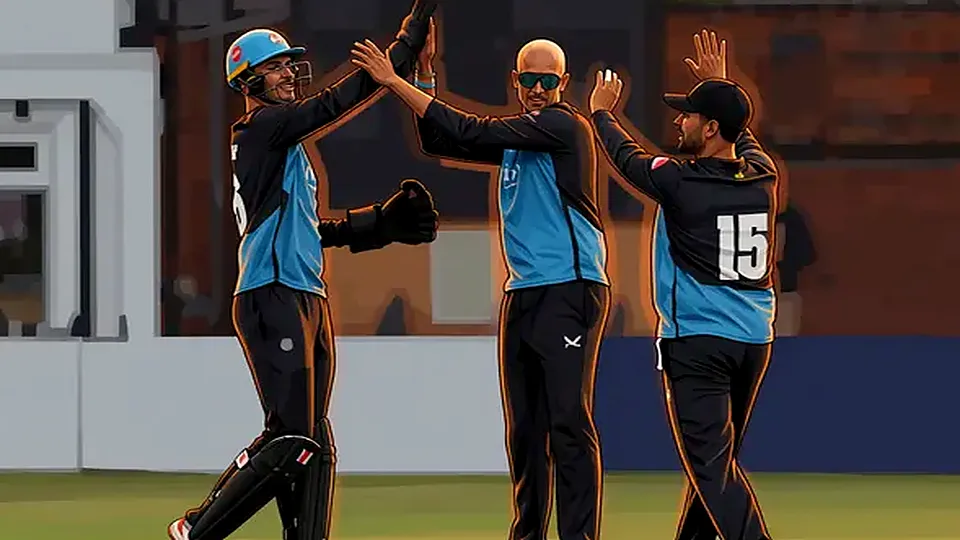
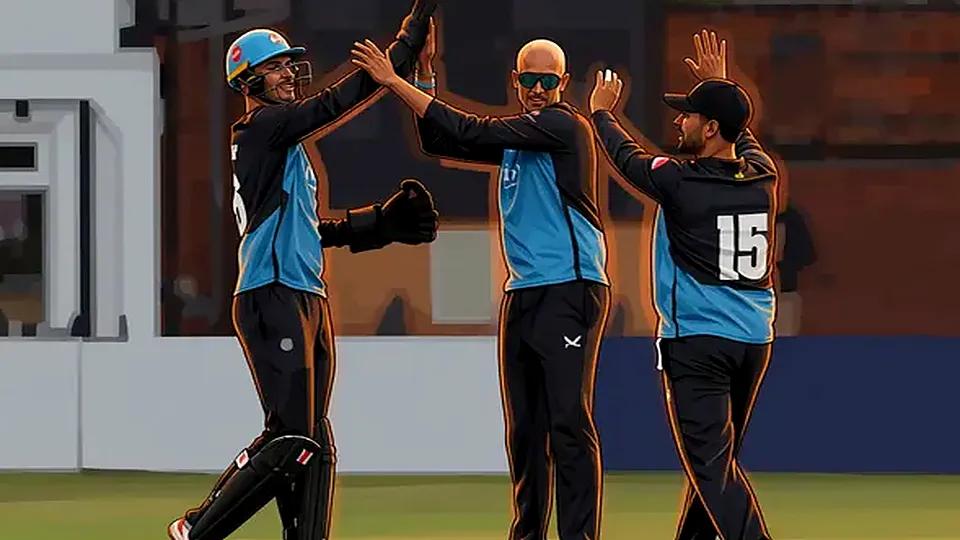
The scoreline read 194-7 by the final over, but the air inside the stadium felt heavier than the 85% humidity hanging over Bengaluru that evening. We had just finished the second-innings collapse of India’s semi-final clash, and the silence from the Indian dugout was deafening. No shouting, no frantic signal-calling. Just the soft *thud* of the ball hitting the turf. It was a stark reminder that in this format, the pressure doesn’t spike at the end; it brews in the middle overs, just when you think you have a grip on the game.
Live tournament coverage today is less about the score and more about the narrative. For the Ranji grinder watching from home, the stats table looks clean. But on the ground, under the brutal artificial lights, the narrative is a chaotic mess of gut feel, pitch reports, and the sheer will to survive a skiddy hard length on a track that offers zero carry for the bat. The new ball did the talking for the first twenty, and nobody in the dugout bought the excuse that the pitch was too fast.
When the Dew Factor Meets the Decision Desk
There is a specific anxiety that comes with playing in Asia in late October. The ground starts behaving differently after 8:30 PM IST. The dew factor kicks in, making the bat slippery and the ball treacherous. We saw this play out in the Asia Games final against the hosts. The captain’s call to field early was a gamble that backfired spectacularly, not because of bad bowling, but because the top order just refused to bail.
"We didn't play the game we practiced in the nets. The scoreboard is a cruel master, and today it held all the cards."
That quote came from the opening batsman during the post-match interview, sitting on a plastic chair with a towel over his head. It wasn’t a technical breakdown. It was a human one. In the Ranji grind, you can bat for three days to settle into the rhythm. Here, the ball is fresh, the wickets are at stake, and the crowd is a constant drumbeat in your chest. The boundary-percentage dropped from 32% in the group stage to a dismal 14% in the knockouts. Why? Because the fear of the live tournament coverage narrative overrode the team sheet strategy.
The Impact Player Gamble and the Youth Factor
Let’s talk about the Impact Player rule. It’s supposed to be a strategic edge. In practice, it often becomes a psychological crutch. Watching the young Indian seamers bowl into the pitch was a highlight, but the over reliance on impact substitutions in the death overs created a rhythm break that the opposition exploited. The state-association pathways have produced plenty of raw talent, but can they handle the choke? The data suggests no. The middle-overs choke keeps happening because the players are thinking about the next run, not the next ball.
- Selection calls: The omission of the veteran left-hander was bold, perhaps too bold for a knockout stage.
- Net-session matchups: The practice sessions showed clear dominance, but competition cricket has a different frequency.
- Scoreboard pressure: The mental load of chasing double-digit deficits is visible in the body language of the younger squad members.
What the Points Table Hides
Looking at the final standings, India sits atop the medal tally, but the journey was far from pretty. The live tournament coverage often focuses on the victory lap, ignoring the shaky 25-3 in the third innings of the quarter-final. That is where the character is forged. It’s not the 300-run victory that defines a team; it’s how they handle the 87-run chase on a sticky red-soil track when the sun is beating down on their backs.
As the dust settles, the question remains: Are we ready for the next cycle? The dressing-room culture needs to shift from reactive to proactive. You can’t manage a live score feed if you’re constantly reacting to the pitch report. The young Indian players are talented, undeniably so, but they need to stop fearing the scoreboard and start owning the match. The dew will come. The hard length will come. The only thing they can control is their composure when the stadium holds its breath.
Next stop, the World Cup qualifiers. Let’s hope the lesson learned here isn’t forgotten in the noise of the next big match.
Related coverage
- Beyond the Boundary: How the BCCI Traded the Ranji Grind for a Spectacle
- Visakhapatnam Snags India‑Sri Lanka ODI: Live Tournament Coverage Shifts Gears Amid Impact Player Talk

Updated 2026-11-08 · Instant Rupee Deposits & 60s Withdrawals · 24/7 Support.
Access Official OutdoorSports Portal →Senior Features & Tournament Writer · Kolkata Desk
Ritika Malhotra reports on franchise leagues, the WPL, and domestic Indian tournaments for OutdoorSports. Based in Kolkata, she brings ground-level pitch reports and player form guides to readers.
Reader Discussion & Match Reactions (2)4.6★ Community (2 Comments)
Verified Indian cricket reader perspectives & tactical debate on outdoorlifenorway.com
Huh, 'pressure brews in the middle overs'? Sure. The real issue is BCCI’s refusal to ban international windows during Ranji, so these cricketers are playing tired. 194-7 isn’t a strategy fail; it’s a fitness and scheduling disaster they won’t address.
Did anyone notice the dew factor mention in the final? It mirrors exactly what we saw in the SMAT playoffs in Pune last year. The state associations need to standardize pitch prep, or domestic pathways will keep failing under these Asia Games pressure scenarios.
Join the Discussion (2 Reader Comments)
Related Articles
See All
Today IPL Match Prediction: Toss, Pitch Report And Winner Analysis
Jul 10, 2026