

Hamilton’s Damp Greyness: A Seamer's Paradise or a Batter's Purgatory?

Published 2026-11-09 · By Kunal Joshi (Lead Cricket Correspondent · Chennai Desk)
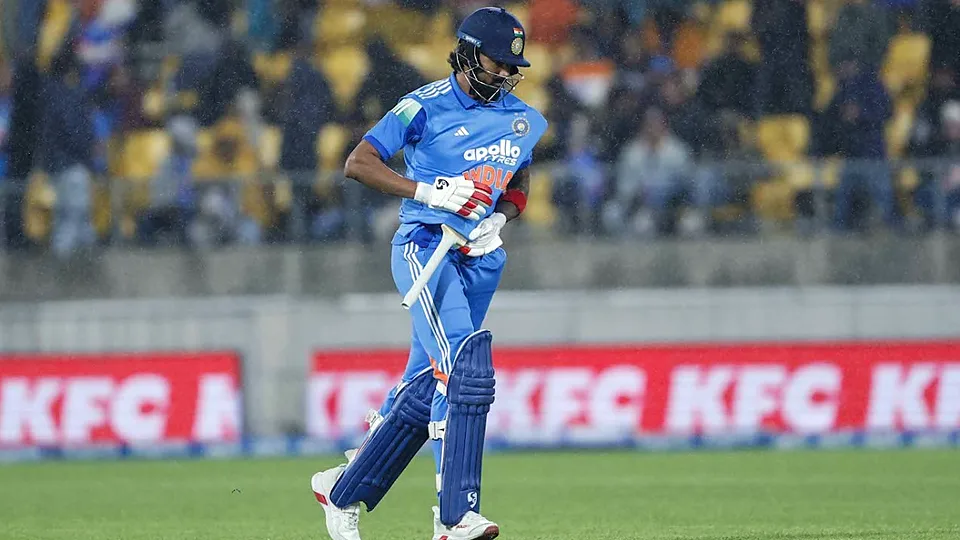
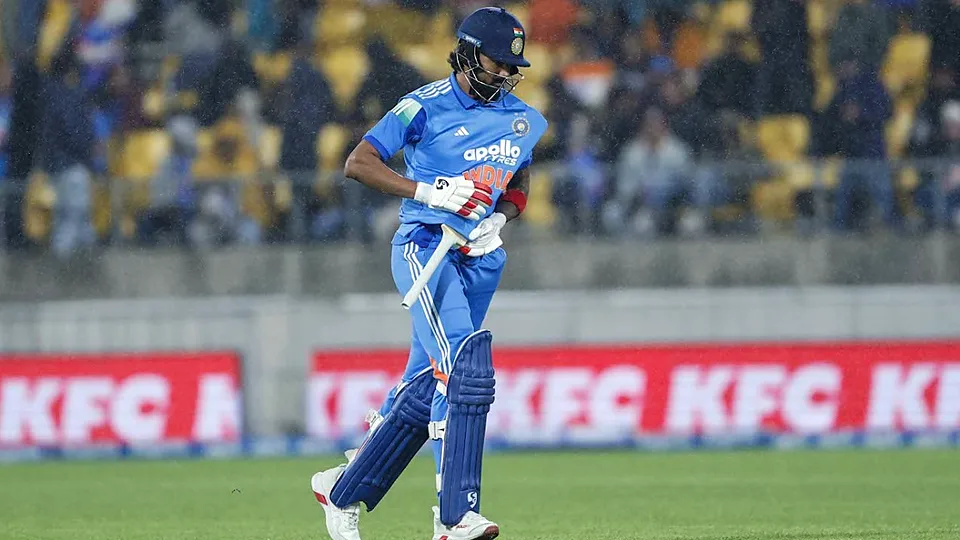
The ball didn't just swing; it jagged. One moment the seam was upright, the next it was a nightmare of lateral movement that left the top order looking like they were batting on a frozen pond. In Hamilton, the air is thick with a dampness that usually belongs in a November in England, not a New Zealand spring. It is the kind of overhead gloom that makes a captain twitchy and a specialist opener pray for a flat deck.
The official line from the camp is that this unseasonal rain is a 'blessing in disguise.' Spare me. There is nothing blessed about a skiddy hard length that refuses to sit up, or a surface that offers the kind of uneven bounce usually reserved for a third-day Ranji grind on a sticky red-soil track. The seamers are loving it. The batters are merely surviving.
The Myth of the 'Blessing in Disguise'
When the wire reports that these conditions are 'good in hindsight,' it's usually code for 'we have no idea how to play the moving ball.' We've seen this movie before. India arrives with a blueprint for a high-scoring chase, only to find the pitch behaving like a minefield. The new-ball burst has become a slaughterhouse. If you can't find your length within three deliveries, the Kiwis will carve you open. Conversely, if the ball nips back, our batters are playing for the turn that isn't there.
The tactical error isn't the weather—you can't argue with a cloudburst—but the refusal to adapt the approach. Why are we still playing the same expansive drives when the ball is hooping? It's a stubbornness that borders on the delusional. A few edges to the slips, a couple of clumsy lbws, and suddenly the middle order is exposed to a fresh spell of swing.
Where the Middle-Overs Choke Begins
The real disaster isn't the early collapse; it's the subsequent stagnation. Once the initial chaos subsides, we enter the dreaded middle-overs choke. The boundary-percentage drops. The strike rotation vanishes. We see a tendency to play too deep in the crease, hoping the ball will stop, but on this surface, the ball just keeps coming. It’s a textbook failure of game awareness.
- The Pace Trap: Bowlers are hitting the deck hard, forcing hurried shots.
- The Field Spread: New Zealand is squeezing the singles, forcing the risk.
- The Mental Block: A fear of the edge leading to tentative poking.
For those following our live tournament coverage, the numbers tell a grim story. The dot-ball percentage in the 15-35 over bracket has spiked. We aren't being outplayed by genius; we are being strangled by the conditions and our own hesitation.
The Death-Bowling Gamble
If the rain persists, the dew factor—usually a nightmare after 8:30 PM IST—might actually be negated. That's the only silver lining. Without the slipy ball, the bowlers can actually grip the leather and nail their yorkers. But bowling at the death in these conditions requires a level of precision that has been missing. One wide, one full toss, and the pressure valve releases.
"The conditions are a lottery. If you win the toss, you pray for rain. If you lose it, you pray for a miracle."
The dressing-room chatter likely revolves around the 'Impact Player gamble' and whether a specialist anchor is needed to weather the storm. But no amount of tactical shuffling can fix a lack of basic shot selection. You cannot drive a ball that is moving three inches in the air. It's basic physics, yet we treat it like a mystery.
Hamilton is currently a seamer's playground. If India wants to salvage this, they need to stop looking for blessings in the rain and start playing the ball where it is. Otherwise, this series will be remembered as a very expensive lesson in atmospheric pressure.
Related coverage
- Seddon Park Dew Bias: Why India's Middle-Overs Economy Is Bleeding Against NZ Pace
- Beyond the Boundary: How the BCCI Traded the Ranji Grind for a Spectacle

Updated 2026-11-09 · Instant Rupee Deposits & 60s Withdrawals · 24/7 Support.
Access Official OutdoorSports Portal →Senior Features & Tournament Writer · Kolkata Desk
Ritika Malhotra reports on franchise leagues, the WPL, and domestic Indian tournaments for OutdoorSports. Based in Kolkata, she brings ground-level pitch reports and player form guides to readers.
Reader Discussion & Match Reactions (4)4.8★ Community (4 Comments)
Verified Indian cricket reader perspectives & tactical debate on outdoorlifenorway.com
The article calls the rain a blessing, but ignoring the jagged seam movement is pure board negligence. Why do selectors keep sending batters in for expansive drives against a ball that refuses to sit up? We are playing on a frozen pond and pretending it’s a deck, risking early wickets every single time we step in.
While the focus is on Hamilton’s gloom, remember the gritty Ranji grind mentioned in the piece. State league batters on sticky red-soil tracks face similar uneven bounce daily, yet their adaptability rarely gets credited in international discussions. Grassroots resilience in domestic cricket often survives the exact minefield conditions described here.
The claim that you must find length within three overs to avoid the slaughterhouse ignores actual telemetry data from recent tours. Historically, our top order struggles more against lateral nipping balls at the off-end, not just straight hard length. The tactical error lies in expecting the ball to turn, which simply doesn’t happen in this damp NZ spring air.
@Rajesh_Bhatia Agreed, but the tactical refusal to adapt is the real risk. If we keep playing expansive drives while the ball hoops, we’re gifting the Kiwis early breakthroughs in the new-ball burst. The camp’s 'blessing' narrative masks a complete lack of plan for surviving the first overs of the innings.
Join the Discussion (4 Reader Comments)
Related Articles
See All
Today IPL Match Prediction: Toss, Pitch Report And Winner Analysis
Jul 10, 2026