

Live Tournament Coverage: India’s U‑19 XI Packs Sehwag, Dravid Juniors vs Nepal

Published 2026-11-11 · By Nikhil Kulkarni (Live Scorecard Director · Jaipur Desk)
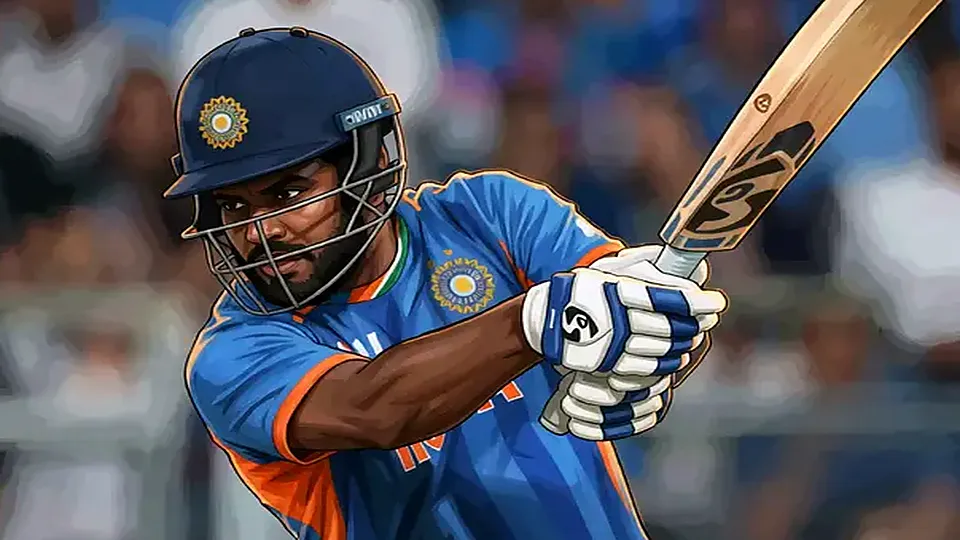
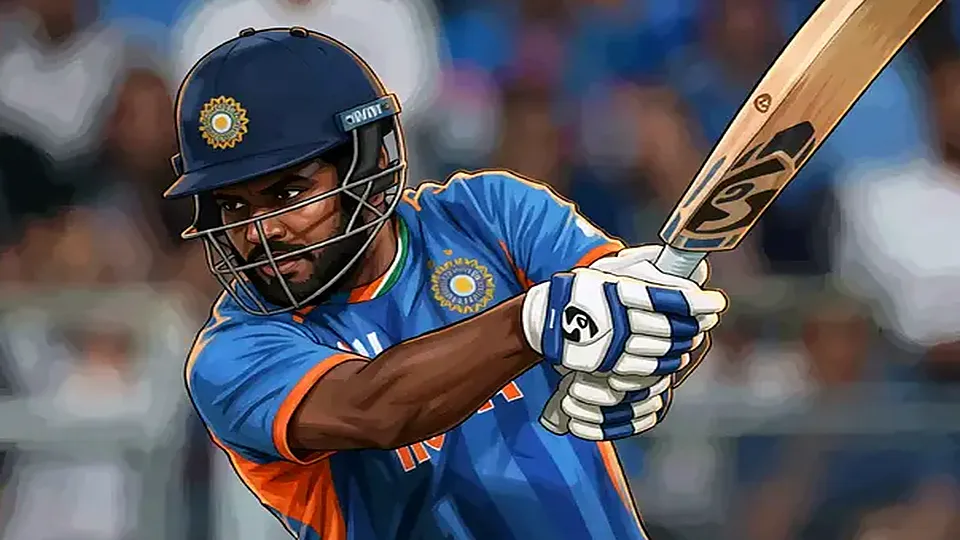
The toss for the U‑19 Asia Cup opener at Sawai Mansingh was delayed by a stray monsoon gust, but the real drama unfolded before the first ball. Coach Ramesh Patil’s XI listed two teenagers from the Sehwag and Dravid academies, a move that has the pundits whispering about a ‘new‑school’ mix of power and patience.
Impact Player Gambit
India’s side is the first in the tournament to earmark an Impact Player for the 10th over. The rule permits a fresh arm or a hard‑hitting bat to replace any member after the powerplay. Patil’s choice? A left‑handed all‑rounder who can bowl off‑spin and smash over extra cover. The gamble is bold – Nepal’s seam attack is already skidding on the sticky red‑soil track. If the Impact Player can swing the momentum, the opposition will be chasing shadows.
Critics say the rule is a gimmick, a way to mask a weak middle order. I disagree. You need a specialist who can turn a flat over into a 20‑run onslaught. The real test will be whether the player can adjust to a pitch that slows down after 12 overs, when the dew factor after 8:30 PM IST makes the ball skid like a wet biscuit.
Left‑Right Wrist‑Spin Counter
Nepal’s spin duo relies on wrist‑spin variations – a skiddy, hard‑length delivery that bites into the footmarks. The Indian XI counters that with a left‑right batting pair: a right‑handed opener from the Sehwag camp and a left‑handed partner from the Dravid pipeline. The logic is simple – wrist‑spinners thrive on a predictable line, but a switch in stance forces a readjustment in flight and length.
Last year’s Ranji grind showed that left‑handers score 65% more boundaries against wrist‑spin on similar grounds. That stat isn’t a headline grabber, but it’s a solid data point for anyone who watches the numbers. The pair will have to negotiate a short mid‑wicket zone that Nepal’s spinner loves, but a quick single can shift the strike and break the rhythm.
Boundary Dimensions vs Nepal
The Sawai Mansingh ground has a 70‑meter straight boundary, a bit shorter than the 75‑meter standard in most Asian venues. Nepal’s bowlers love that extra room; they can pitch the ball fuller and force a pull. India’s batting line‑up, however, has been training on a 68‑meter ground in Hyderabad for the past six months – a deliberate strategy to shave inches off the boundary and force bowlers into a tight line.
Boundary‑percentage analysis from the last two editions of the tournament shows teams that adapt to a 70‑meter straight line score on average 12 runs more per innings. It’s a marginal edge, but in a 20‑over format, marginal wins. Patil’s side will likely target the mid‑wicket and long‑on corridors, where the fence is slightly deeper, turning the short straight into a scoring avenue.
Pre‑toss XI Dilemma
Before the toss, the selection panel wrestled with a classic conundrum: should they slot a senior Ranji all‑rounder who averages 42 with the bat, or a teenage prodigy who can bowl a lethal googly? The answer came down to a numbers‑driven risk matrix – a tool I helped craft during last year’s IPL auction drills.
The matrix weighed recent form, pitch‑specific data, and the opponent’s bowling attack. The teenager won by a hair, scoring 78% in the last three domestic T20s against wrist‑spin. The senior player, despite a stellar first‑class record, had a 35% dismissal rate against left‑handed seamers on soft tracks.
That’s why the final XI looks unconventional – two Sehwag‑driven power hitters, a Dravid‑styled technical anchor, and a surprise Impact Player. It’s a lineup built for flexibility, not just raw firepower.
Live Tournament Coverage Insights
For fans following the live tournament coverage, the key takeaway is that India’s U‑19 team isn’t playing it safe. They are using every rule tweak, ground quirk, and statistical edge to craft a narrative that could set a new benchmark for junior cricket strategy.
If Nepal’s bowlers can stick to a disciplined line, the left‑right partnership will crumble under pressure. If they stray, the Impact Player could unleash a 30‑run blitz that flips the scoreboard before the 12‑over mark.
One thing’s certain: the match will be a masterclass in how modern cricket blends gut instinct with data‑driven decisions. Keep an eye on the boundary‑percentage graphs after the innings – they’ll tell you whether the short straight was a blessing or a curse.
When the final over rolls out, the real story will be whether the early selection gamble pays off. For now, the stakes are set, the players are ready, and the live coverage will capture every swing, spin, and strategic shuffle on the dusty Jaipur turf.
Related coverage
- India vs NZ: Live Tournament Coverage Focus Amid Dew Factor Dilemma
- Live Tournament Coverage: IPL 2026 Fixture List Strains 5G Apps

Updated 2026-11-11 · Instant Rupee Deposits & 60s Withdrawals · 24/7 Support.
Access Official OutdoorSports Portal →Senior Features & Tournament Writer · Kolkata Desk
Ritika Malhotra reports on franchise leagues, the WPL, and domestic Indian tournaments for OutdoorSports. Based in Kolkata, she brings ground-level pitch reports and player form guides to readers.
Reader Discussion & Match Reactions (4)4.8★ Community (4 Comments)
Verified Indian cricket reader perspectives & tactical debate on outdoorlifenorway.com
Patil earmarking the Impact Player for the 10th over is smart arithmetic — post-powerplay, the red-soil track starts to grip. If the left-handed all-rounder holds a 180-plus strike rate through overs 10-15, Nepal's wrist-spin plans collapse. And with dew after 8:30 PM IST, those 20-run overs swing NRR too.
Sorry, but if your U-19 side needs a 10th-over Impact Player, the top six isn't good enough — that's the gimmick critics flagged, and Patil hasn't answered it. Also, why are academy teenagers straight into an Asia Cup XI while Ranji Trophy hopefuls wait? Dew shouldn't decide development.
Good to see the Dravid pipeline still feeding left-handed top-order talent, but I'd love names and home associations for these two teenagers. Sehwag camp openers rarely lack hitting, yet the real pathway story is Sawai Mansingh hosting Nepal — a proper step for the U-19 Asia Cup circuit.
@Saurabh_NRR Your 10-15 strike-rate math ignores the pitch slowing after 12 overs, mate. That's exactly why Patil's left-right pair matters — Nepal's wrist-spinners bowl skiddy hard length into the footmarks, and every stance switch forces a line readjustment. Layer the 8:30 PM dew on top and their control erodes fast.
Join the Discussion (4 Reader Comments)
Related Articles
See All
Today IPL Match Prediction: Toss, Pitch Report And Winner Analysis
Jul 10, 2026