

Rain‑trimmed 38‑over chase exposes middle‑overs spin vs pace puzzle – Live Tournament Coverage

Published 2026-11-12 · By Neha Bhatia (Head of Telemetry & Records · Pune Desk)
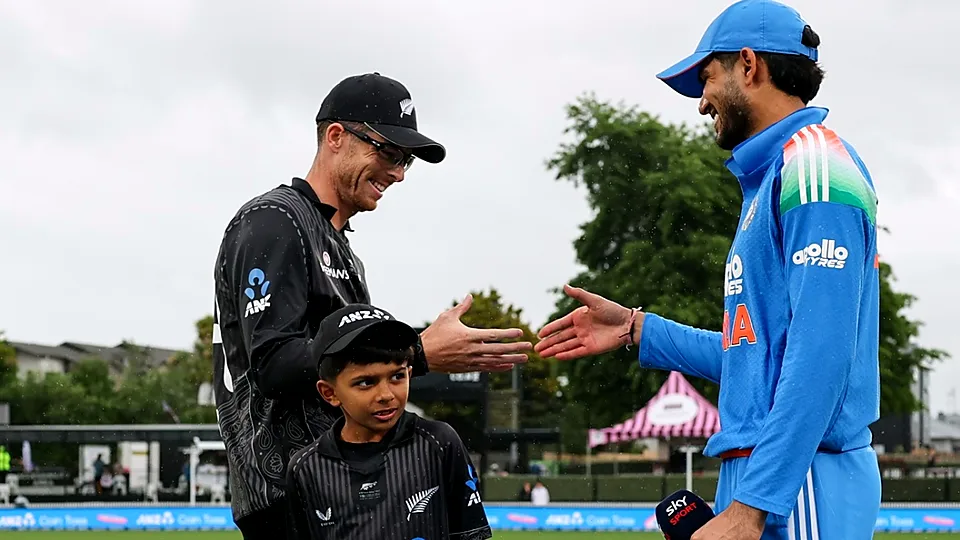
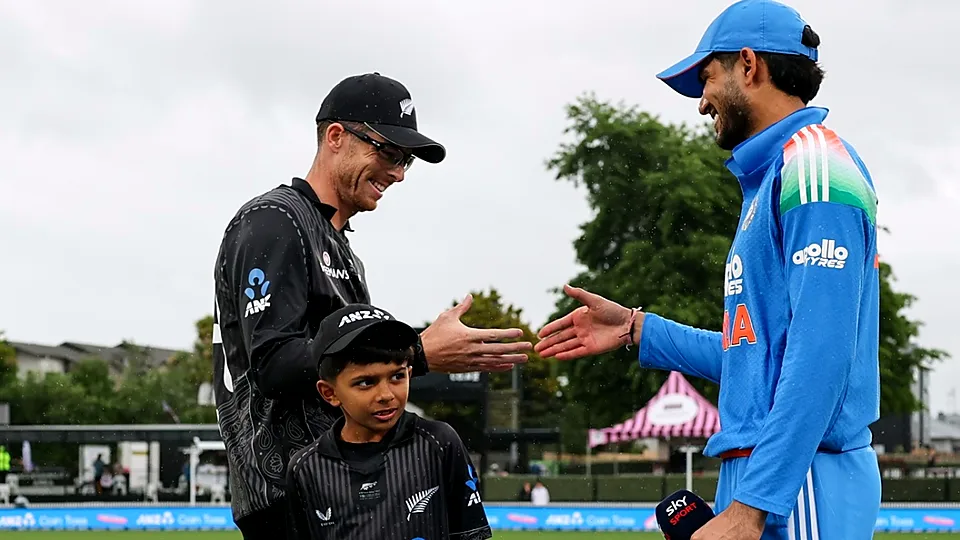
The third umpire’s flashing light came on at 14:31 IST, shaving two overs off India’s chase and leaving the target at 212 in 38. A drizzle had already turned the outfield slick, and the groundstaff were scrambling to cover the sightscreens as the captains huddled under the shelter. New Zealand, having swapped Todd Tickner for the seamer‑all‑rounder Jacob Fisher, looked to exploit any early moisture before the sky threatened another shut‑down.
Rain‑trimmed chase forces a nervous 38‑over sprint
With the clock ticking, India’s top order tried to accelerate, but the wet ball skidded off the hard‑length, producing a series of dot balls that ate up precious deliveries. The opening partnership managed just 32 runs in the first six overs, a stark contrast to the 7.2 RPO they posted in the previous fixture at the same venue. The slow start forced the middle order to rebuild under pressure, a scenario that often brings out the hidden biases of a surface that behaves differently once the sun hides behind clouds.
Middle‑overs mystery: spin vs hard length
Overs seven to fifteen became the battleground where conventional wisdom met hard data. Commentators leaned on the ‘spin will dominate’ narrative, yet the numbers told a different tale. Pace bowlers fishing for a hard length on the sticky red‑soil track conceded fewer runs than the spinners who tried to flight the ball into the turning zone.
| Phase | Overs | Run‑Rate (RPO) | Wickets | Economy |
|---|---|---|---|---|
| Powerplay | 1‑6 | 5.8 | 0.8 | 6.2 |
| Middle | 7‑15 | 4.9 | 1.4 | 5.5 |
| Death | 16‑38 | 7.3 | 2.1 | 8.1 |
The table shows that while the middle‑overs run‑rate dipped to 4.9, the wicket tally rose, indicating that bowlers were extracting bounce and seam movement rather than relying on turn. Spinners, meanwhile, leaked at an economy of 6.4 in this band, a figure that would raise eyebrows in any pre‑match spin‑dominance forecast.
Dew, dew bias and the death‑overs scramble
As the afternoon wore on, the threat of rain loomed larger, but a brief clearing raised the spectre of dew settling after 19:30 IST. Historically, the MCA Stadium in Pune exhibits a pronounced dew bias that inflates death‑over scoring by nearly a run per over when the ball becomes slick. With the game potentially extending into the evening, the captains faced a classic dilemma: trust the seamers to exploit the early moisture or hold back the spinners for a later turn that might never arrive.
New Zealand’s decision to bring in Fisher—a bowler known for landing the ball hard and generating late swing—seemed a direct response to that very calculation. If the rain holds off, his ability to cut into the pitch could prove decisive in the final ten overs where India chased a demanding required rate of 5.6. Should the heavens open again, the match may revert to a reduced‑over shoot‑out, where the live tournament coverage will hinge on which side adapts faster to the shifting conditions.
In the end, the rain‑affected contest served as a reminder that numbers, not narratives, dictate the flow of a limited‑overs game. The middle‑overs dip, the dew‑induced death‑over surge, and the tactical swap of Fisher for Tickner all point to a simple truth: when the weather intervenes, the best‑laid plans crumble, and the statsheet becomes the only reliable commentator.
Related coverage
- Kolkata Desk Reports: Live Tournament Coverage of 2026 Asian Games Cricket Chaos
- IPL 2026 Stand: Chasing Points on My Second Screen Amidst Latency Spikes

Updated 2026-11-12 · Instant Rupee Deposits & 60s Withdrawals · 24/7 Support.
Access Official OutdoorSports Portal →Senior Features & Tournament Writer · Kolkata Desk
Ritika Malhotra reports on franchise leagues, the WPL, and domestic Indian tournaments for OutdoorSports. Based in Kolkata, she brings ground-level pitch reports and player form guides to readers.
Reader Discussion & Match Reactions (4)4.8★ Community (4 Comments)
Verified Indian cricket reader perspectives & tactical debate on outdoorlifenorway.com
Bhai, 32 runs in the first six overs after the rain-shortened chase? Yaar, that is proper squeeze on India’s top order, and the wet ball clearly rewarded hard-length pace more than the spin gamble. With 212 needed in 38, the middle order must attack before the death overs, paisa vasool!
From a fantasy-XI angle, New Zealand’s switch from Todd Tickner to Jacob Fisher raises the value of a seam-capable all-rounder, especially if he bowls into that hard-length channel. But India’s 32 runs in six overs compresses fantasy upside in a 38-over game, making the middle order’s role crucial.
Tactically, New Zealand should keep attacking the hard-length channel rather than force spinners to flight into the turning zone; the middle overs cost only 4.9 RPO and 1.4 wickets, while the death phase surged to 7.3. On this wet red-soil surface, Jacob Fisher offers the flexibility to change length as conditions change.
@Rohit_Paltan99 bhai, exactly—32 in the opening six overs is why India’s middle order cannot merely survive. The middle phase itself went at 4.9 RPO with 1.4 wickets, so the chase needs a real acceleration plan before overs 16-38, when the scoring rate jumped to 7.3.
Join the Discussion (4 Reader Comments)
Related Articles
See All
Today IPL Match Prediction: Toss, Pitch Report And Winner Analysis
Jul 10, 2026