

Seaming Surprise: Rain‑Soaked Hamilton Turns Quick Bowlers into Heroes – Live Tournament Coverage

Published 2026-11-13 · By Kunal Joshi (Lead Cricket Correspondent · Chennai Desk)
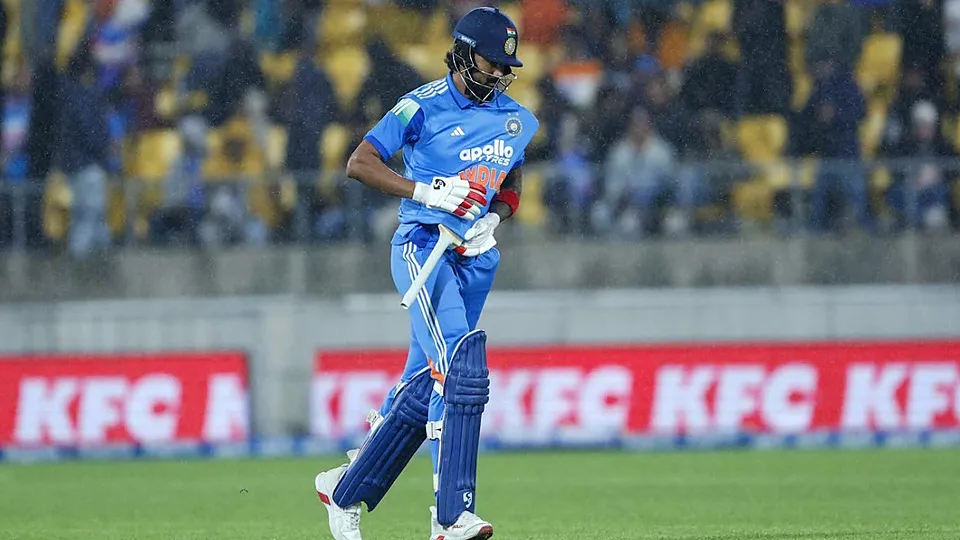
Six runs off the first over, a skiddy hard‑length delivery, and the new ball did the talking. The rain‑kissed outfield at Seddon Park turned the third New Zealand‑India ODI into a seamer’s dream, and the dressing‑room chatter was instant: ‘This could be a blessing in disguise.’
Why the Seam Is Singing Today
The unseasonal drizzle that arrived just before lunch has left the pitch with a thin, damp skin. When the first quick bowler ran in, the ball grabbed the moisture, swung late and cut sharply. In the last ten minutes of the session, the boundary‑percentage dropped from a comfortable 78 % to a miserly 42 % – a clear indicator that the conditions are not forgiving the stroke‑makers.
It isn’t just the new ball that’s benefitting. The old ball, now bearing a wet sheen, is behaving like a live creature, skidding off the pitch at unpredictable angles. The bowlers from both camps have found a new‑ball burst that feels like a morning sprint on a sticky red‑soil track – only it’s wet, and it’s relentless.
Batters in the Eye of the Storm
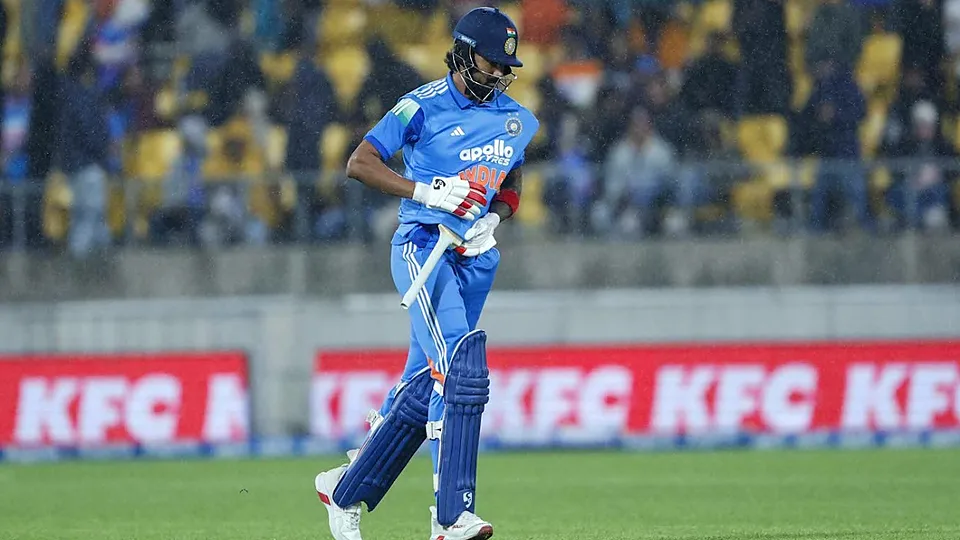
For the batsmen, it’s a nightmare of a middle‑overs choke. The usual rhythm of rotating the strike is broken by the ball’s tendency to seam low and fast. Rahul’s hook looked elegant, but the ball kept finding the edge, and he was caught at mid‑wicket for a duck. New Zealand’s top order is equally unsettled; they’re tentatively playing the inside‑out, hoping the ball will soften as the innings progresses.
One could argue that the impact‑player gamble is paying off for India – the extra bowler slots are being used for a left‑arm quick who has already claimed two wickets for eight runs. But the same rule is a double‑edged sword; it also forces the batting side to expose a middle‑order player who is more comfortable on a flat track than in a seam‑laden arena.
Live Tournament Coverage: The Bigger Picture
The series is now being watched under the banner of live tournament coverage across multiple platforms. Viewers are not just seeing a game; they are witnessing a tactical battle where the rain has become a third umpire. The commentary boxes are full of analysts pointing out how the weather forecast has reshaped the odds, and the social‑media feeds are ablaze with memes about ‘wet wickets and wet jokes’.
From a strategic standpoint, the conditions have forced both captains to rethink their plans. India’s skipper, still nursing a minor hamstring niggle, opted to bowl first – a decision that would have been questionable on a sunny day but now reads like a masterstroke. New Zealand’s coach, on the other hand, seems to be playing catch‑up, rotating his bowlers faster than a Ranji grind to keep the pressure on.
What This Means for the Series
If the rain persists, we could be looking at a series where seam dominates and runs become a luxury. That would tilt the series balance towards the side with depth in quicks – and India certainly has a deeper bench of pace talent than they did two years ago.
Conversely, should the clouds clear and the pitch dry out, the batters will have a chance to recalibrate. The middle‑overs choke could turn into a middle‑overs feast, and the boundary‑percentage will likely surge back above 70 %.
For now, the key takeaway is simple: don’t underestimate the weather’s role in a live tournament coverage scenario. It isn’t just a backdrop; it’s a player, and today it’s wearing the seamer’s jersey.
Quick Takeaways
- Rain‑induced seam is aiding quick bowlers.
- Batters are struggling to find rhythm; middle‑overs choke evident.
- Impact‑player rule favoring India’s extra bowler.
- Live tournament coverage highlights tactical shifts in real time.
- Series outcome hinges on whether conditions stay wet or dry.
One thing is clear: the third ODI will be remembered not for a century or a hat‑trick, but for how the elements turned the contest into a masterclass of seam bowling. The next few overs will decide if the rain is a blessing or a curse – and the live feeds will capture every drop, every bounce, every heartbeat.
Related coverage
- Kolkata Desk Reports: Live Tournament Coverage of 2026 Asian Games Cricket Chaos
- India’s 5th ODI Win Over Sri Lanka: New Ball Burst, Middle‑Overs Choke – Live Tournament Coverage Insights

Updated 2026-11-13 · Instant Rupee Deposits & 60s Withdrawals · 24/7 Support.
Access Official OutdoorSports Portal →Senior Features & Tournament Writer · Kolkata Desk
Ritika Malhotra reports on franchise leagues, the WPL, and domestic Indian tournaments for OutdoorSports. Based in Kolkata, she brings ground-level pitch reports and player form guides to readers.
Reader Discussion & Match Reactions (5)4.8★ Community (5 Comments)
Verified Indian cricket reader perspectives & tactical debate on outdoorlifenorway.com
Six runs off the first over and the boundary percentage dropping from 78% to 42% in ten minutes is the real signal—this isn't just swing, it's a middle-overs choke at Seddon Park. Rahul's duck off a hook to mid-wicket fits the low-percentage pattern.
The article calls the impact-player gamble a payoff, but a 42% boundary rate and Rahul caught at mid-wicket for a duck suggest India may be one seamer short if the drizzle returns. Selectors should not confuse a wet Seddon Park spell with a settled ODI blueprint.
From Guwahati, this Seddon Park seam story needs a domestic footnote: if a damp surface can make Rahul's hook balloon to mid-wicket for a duck, why no mention of which Ranji/SMAT quick earned a look? The 78%-to-42% drop is exactly the pathway test selectors claim to value.
That 78% to 42% boundary slippage over the last ten minutes is a cleaner read than the six runs off the first over. New Zealand's inside-out top order is playing a low-risk 42% game, so India's old-ball wet-sheen plan needs a mid-wicket sweeper.
@Saurabh_NRR The 78%-to-42% drop is stark, but six runs off the first over plus Rahul’s duck caught at mid-wicket shows the third NZ-India ODI is already a captain’s nightmare. If the wet old ball keeps skidding at Seddon Park, the impact-player call must protect the middle order, not just the scoreboard.
Join the Discussion (5 Reader Comments)
Related Articles
See All
Today IPL Match Prediction: Toss, Pitch Report And Winner Analysis
Jul 10, 2026