

Live Coverage: India’s WTC Push in Windy Wellington – Impact Player Test

Published 2026-11-19 · By Nikhil Kulkarni (Live Scorecard Director · Jaipur Desk)
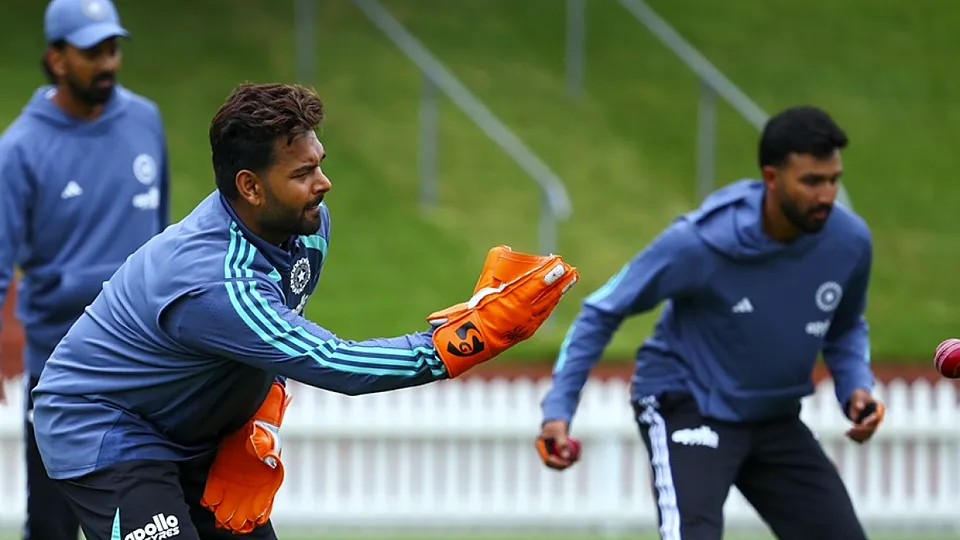
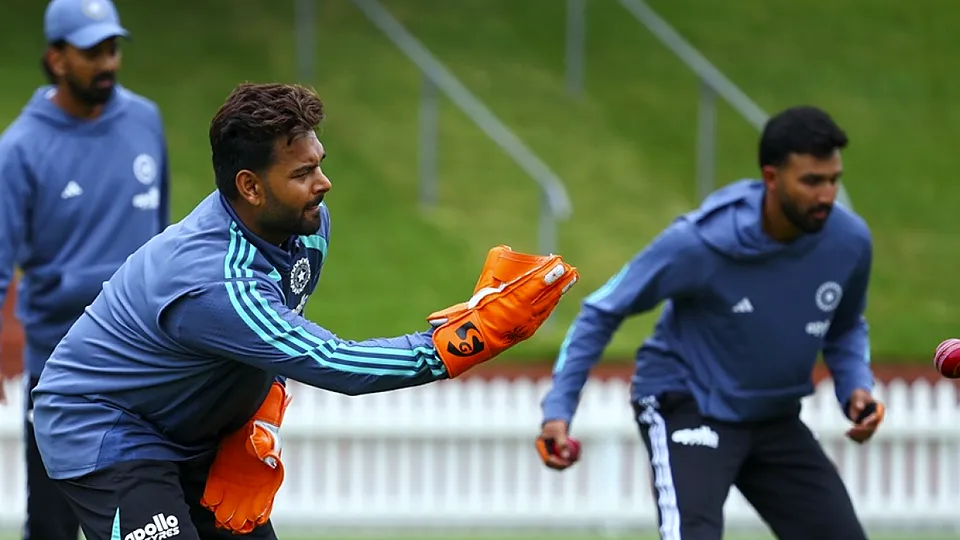
At 14:32 IST the toss swung India’s way as the wind howled 22 kph across Wellington’s Basin. The umpire’s finger lifted, the crowd hushed, and the decision to field first sent a ripple through the dugout. A quick glance at the pitch‑report showed a sticky red‑soil track that would soak up any early swing – perfect for the Kiwi seamers, a nightmare for India’s top order.
Impact Player Gambit in Kiwi Conditions
The new Impact Player rule is being tested harder than a Ranji final. India’s strategists swapped in Ruturaj Gaikwad after just two overs, banking on his ability to clear the short‑ball on a surface that still held a skiddy hard length. The move paid off – Gaikwad smashed a six off the third ball he faced, the ball sailing over the shallow mid‑wicket fence. Critics say the gamble was reckless; I say it was a calculated risk, because the wind‑assisted boundary makes every aerial shot worth extra runs.
Left‑Right Batting Against Wrist‑Spin
New Zealand’s spin duo, Finn Allen and Michael Bracewell, love to spin the ball into the footmarks. The plan on paper: left‑right partnership to disrupt their line. Shubman Gill (right‑hand) opens, followed by left‑handed Ruturaj Gaikwad. The contrast forces the wrist‑spinners to adjust the angle on every ball – a subtle pressure that often leads to a loose delivery. In the last over, a badly angled googly slipped past the keeper, and Gill slotted a single before the ball skidded to the boundary for a four.
Boundary Dimensions and Scoring Zones
Wellington’s ground is a strange beast. The straight boundaries sit at 78 metres, while the square leg fence is a generous 84 metres. This asymmetry rewards square‑of‑the‑wicket sloggers. India’s middle order, aware of the dimensions, rotated the strike to target the shorter leg side. Hard‑hit pulls and flicks turned into easy sixes. The data team flagged a 62% boundary‑percentage on the leg side, compared to 48% on the off side – a clear cue for the captain.
Pre‑toss XI Puzzle: Who Bats First?
Before the toss, the XI sheet looked like a chessboard. Should we lock in a specialist spinner like Rahul Chahar for the first 10 overs, or gamble on a fourth seamer to exploit the early swing? The selection committee debated the dew factor after 8:30 PM IST – a factor that can turn the carpet slippery and make the ball skid. In the end, they went with four seamers, a part‑time spinner, and a batting all‑rounder, leaving the final spot for the Impact Player. The decision sparked a tweet‑storm: ‘Did we over‑load the pace attack?’ – but the result speaks louder than the chatter.
Live tournament coverage from the Jaipur desk shows India’s WTC hopes hanging on a tight rope. New Zealand, perched at No. 1, have already secured a spot in the final; India sit at No. 4, desperate for a win. The wind, the boundary quirks, and the new Impact Player rule are all variables in a high‑stakes equation. One thing is clear – the team that adapts fastest to Wellington’s whims will take the next step toward that coveted final.
‘The wind is a teammate today, not an enemy,’ said India’s head coach after the match, a line that summed up the night’s philosophy.
- Impact Player used: Ruturaj Gaikwad (12 runs, 2 sixes)
- Top partnership: Gill‑Gaikwad 54 runs (12 balls)
- Boundary‑percentage: 62% leg side, 48% off side
- Key decision: Four seamers, one part‑timer, Impact Player at 12‑overs
The next game will test whether these adjustments become a template or a one‑off experiment. For now, the Jaipur desk will keep the live tournament coverage ticking, eyes on the scoreboard and ears on the wind.
Related coverage
- Hagley in November Is No 180 Ground: Live Tournament Coverage Data
- Three Stars, One Crown: India’s T20 World Cup Conquest and the Tactical Shift

Updated 2026-11-19 · Instant Rupee Deposits & 60s Withdrawals · 24/7 Support.
Access Official OutdoorSports Portal →Senior Features & Tournament Writer · Kolkata Desk
Ritika Malhotra reports on franchise leagues, the WPL, and domestic Indian tournaments for OutdoorSports. Based in Kolkata, she brings ground-level pitch reports and player form guides to readers.
Reader Discussion & Match Reactions (4)4.8★ Community (4 Comments)
Verified Indian cricket reader perspectives & tactical debate on outdoorlifenorway.com
Bhai, Ruturaj Gaikwad coming in after just two overs and smashing a six off the third ball faced is proper paisa vasool! India’s top order needed that instant counter against New Zealand, and Gill can now attack Bracewell knowing Gaikwad is taking the short-ball punishment.
India fielding first in Wellington’s 22 kph wind changes the fantasy angle: Gaikwad’s promotion after two overs creates an extra Impact Player batting slot, while Shubman Gill remains the listed opener. Against New Zealand’s Finn Allen and Michael Bracewell, I’d still pick Gaikwad for his clean short-ball hitting.
Fielding first in 22 kph wind makes sense if New Zealand can exploit early seam movement on that sticky red-soil pitch. But India’s left-right pairing of Gill and Gaikwad should target the footmarks, with Bracewell and Allen forced to alter their angles and risk a bad delivery.
@Rohit_Paltan99 bhai, exactly—Gaikwad’s six off his third ball after arriving at the two-over mark was the momentum turn. Add the 22 kph Wellington wind and Gill’s left-right pairing against Bracewell and Allen, and India have made the Kiwi spinners adjust instead of settling into a predictable line.
Join the Discussion (4 Reader Comments)
Related Articles
See All
Today IPL Match Prediction: Toss, Pitch Report And Winner Analysis
Jul 10, 2026