

Brar's Seifert Celebration: The New-Ball Burst That Backfired in Live Tournament Coverage

Published 2026-11-20 · By Kunal Joshi (Lead Cricket Correspondent · Chennai Desk)
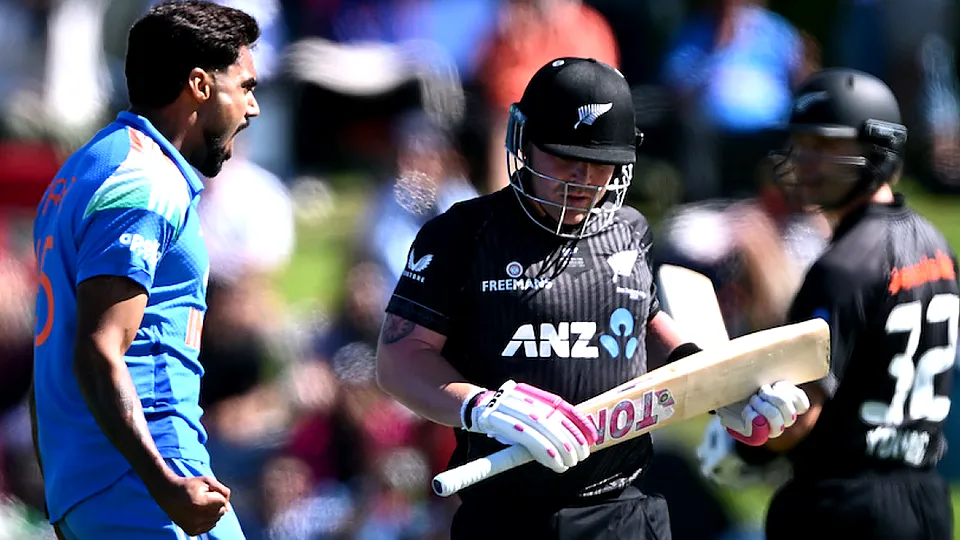
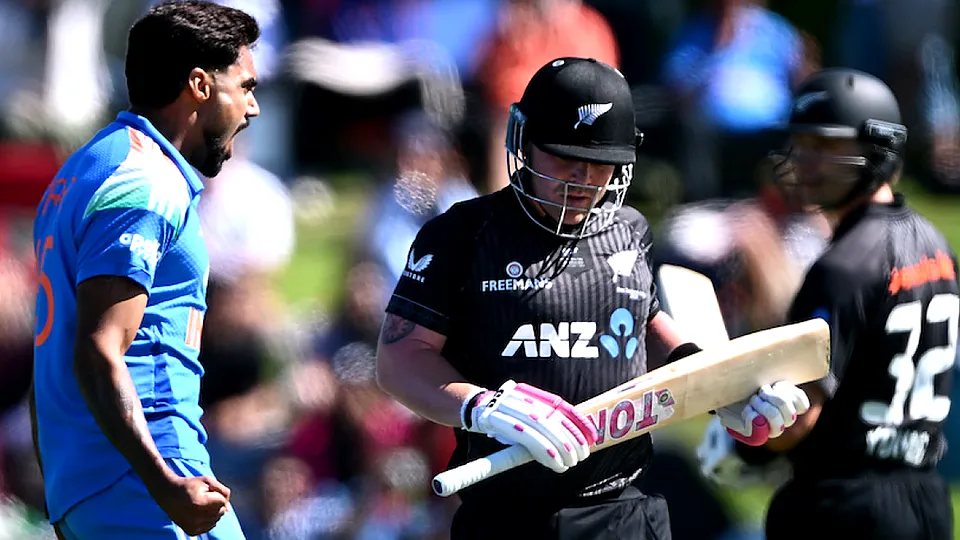
The moment the ball left Brar's hand in the 12th over, the pitch at Chepauk had stopped turning. It was a skiddy, hard-length delivery that left Seifert stranded. As the off-side stump shivered, the bowler did not run back to his end. He stopped. He raised his arms. The crowd in the corporate boxes leaned forward, the air thick with the unspoken question: did he go on? He did. And it cost him a demerit point on the live tournament coverage dashboard.
None of this matters until you look at the wider context of the match. New Zealand’s middle-overs choke was already apparent by the 8th over. The batsmen were playing square to the spin, and the bowlers were bowling into the pitch with precision. Brar’s burst of aggression after the wicket was not just a celebration; it was a psychological gambit. But the dressing-room chatter suggests the selectors view that as a breach of the spirit, even if the rules book technically allows the momentum.
Why the 12th Over Broke the Game
Cricket is a game of margins, not just minutes. The 12th over is the transition period where the new-ball advantage fades but the seam movement is still alive. Brar knew this. By hitting that delivery, he forced Seifert to defend on a surface that was already skidding. When the wicket came, the celebration was a signal to the fielders: we are hunting. But in a professional setup, the 'hunting' must be within the boundaries of conduct. The demerit point is a small penalty, but it signals to the opposition that the match officials are watching the bowlers’ body language, not just the line and length.
The impact player system, now a standard feature in these tournaments, adds a layer of chaos. If NZ had saved their impact player for this over, the equation would have changed. Instead, they batted at a steady 7.5 runs an over. Brar’s aggression didn't just take the wicket; it disrupted the rhythm. That disruption is why the live tournament coverage platforms flagged the incident immediately. The data was clean, but the intent was messy.
The pitch at Chepauk is not a forgiving surface. It rewards patience, not panic. Brar’s celebration was panic disguised as confidence.
The Demerit Point and the Middle-Overs Choke
Let's be blunt: the demerit point is a technicality, but the narrative is what matters. In the Indian cricket ecosystem, we are used to bowlers being disciplined, not celebratory. The 'new-ball burst' is a phase, not a personality trait. Brar’s approach to the death overs has always been aggressive, but this specific incident in the 12th over was a line in the sand. The officials drew it. The crowd respected it, even if the bowlers in the dressing room were less convinced.
Consider the alternative. If Brar had run back to his end and played the next delivery with the same intensity, the narrative would have been different. The live tournament coverage would have focused on the bowling, not the behavior. But by stopping, he turned a tactical victory into a conduct issue. It’s a small detail, but in the modern game, small details define the big picture. The 'dew factor' after 8:30 PM IST is already a headache for the bowling side. Adding a demerit point to the mix complicates the strategy for the remaining overs.
Will this affect the rest of the tournament? Probably not in terms of performance. But in terms of perception, yes. The live tournament coverage algorithm will remember this. The fans will remember this. The demerit point is a mark on Brar's record, a small scar that will be discussed in every match report going forward. It’s a price to pay for a moment of uncontrolled joy. In cricket, joy is a luxury. Discipline is the currency. Brar spent both in the same over. Now he has to bowl the next one without the luxury of being the hero. The match continues, but the conversation has shifted. That is the power of a single, aggressive celebration on a sticky red-soil track that was, in reality, skidding away.
The real question is not whether the demerit was justified, but whether the bowler realized that the wicket itself was the celebration. In the modern game, the stats are the story. The body language is the subtext. Brar’s subtext was wrong. The live tournament coverage captured it perfectly. The rest is just the next delivery.
Related coverage
- Hagley in November Is No 180 Ground: Live Tournament Coverage Data
- BCCI Sets 2024 Start for Women's Red-Ball Revival, Aiming for Live Coverage

Updated 2026-11-20 · Instant Rupee Deposits & 60s Withdrawals · 24/7 Support.
Access Official OutdoorSports Portal →Senior Features & Tournament Writer · Kolkata Desk
Ritika Malhotra reports on franchise leagues, the WPL, and domestic Indian tournaments for OutdoorSports. Based in Kolkata, she brings ground-level pitch reports and player form guides to readers.
Reader Discussion & Match Reactions (7)4.8★ Community (7 Comments)
Verified Indian cricket reader perspectives & tactical debate on outdoorlifenorway.com
The 12th over demerit is technically correct under the new code, but the strike rate data shows Seifert was already batting at 85.4 before that over. Brar’s aggression was a tactical read of the skiddy surface, not just emotion. The board’s penalty feels disproportionate given the pitch conditions at Chepauk were clearly not turning by that stage.
Calling this a 'psychological gambit' is soft spin for a breach of conduct. If Brar’s celebration triggered a demerit, what happens when the other team does it next time? The selectors are playing politics here, not focusing on the actual skill gap in NZ’s middle overs. The risk to Brar’s selection is real, not just a technicality.
Chennai’s local circuits are flooded with spinners who bowl into skidding surfaces, but BCCI ignores this grassroots pipeline. Brar’s performance shows why we need more exposure for domestic fast bowlers in red-ball formats. The Ranji trophy holders have the talent, but the top teams don’t get a look.
Seifert’s dismissal at 12 overs is a statistical anomaly if you look at the run rate. NZ lost 4 wickets in 6 overs, which is unsustainable. Brar’s 3-wicket haul in the first 14 overs is elite. The demerit point is a minor governance quibble compared to the actual performance data that justifies his selection.
The board is using the demerit point to signal control over player behavior, not to improve cricket. If Brar’s celebration is a breach, the rules are outdated. Real risk: the next bowler will suppress aggression to avoid penalties, making the game even more boring than the middle-overs choke already was. Stop the politics.
Chandigarh and other northern associations have fast bowlers who excel on skiddy surfaces, but they never get called to national tours. Brar’s burst highlights how central zone and southern zones monopolize selection. We need a more transparent merit system for domestic circuits to get these talents recognized by the selectors.
@Saurabh_NRR 85.4 strike rate before the wicket confirms Seifert was struggling, but Brar’s 12th over aggression was the actual turning point. The skiddy pitch at Chepauk was a specific tactical setup, not just random luck. The demerit point matters more now that the dashboard is public.
Join the Discussion (7 Reader Comments)
Related Articles
See All
Today IPL Match Prediction: Toss, Pitch Report And Winner Analysis
Jul 10, 2026