

Top Five Fire: Rahul’s Century Crushes Kiwis In Live Tournament Coverage

Published 2026-11-23 · By Kunal Joshi (Lead Cricket Correspondent · Chennai Desk)
The new ball did the talking early, but it was the bat that buried the match by tea. Two days remain on the schedule, yet New Zealand looked exhausted already, staring at a deficit that felt insurmountable on this sticky red-soil track. The dressing-room chatter from Auckland will be tense tonight. You don’t get a 118-run lead this quickly in modern Test cricket without playing the percentages perfectly.
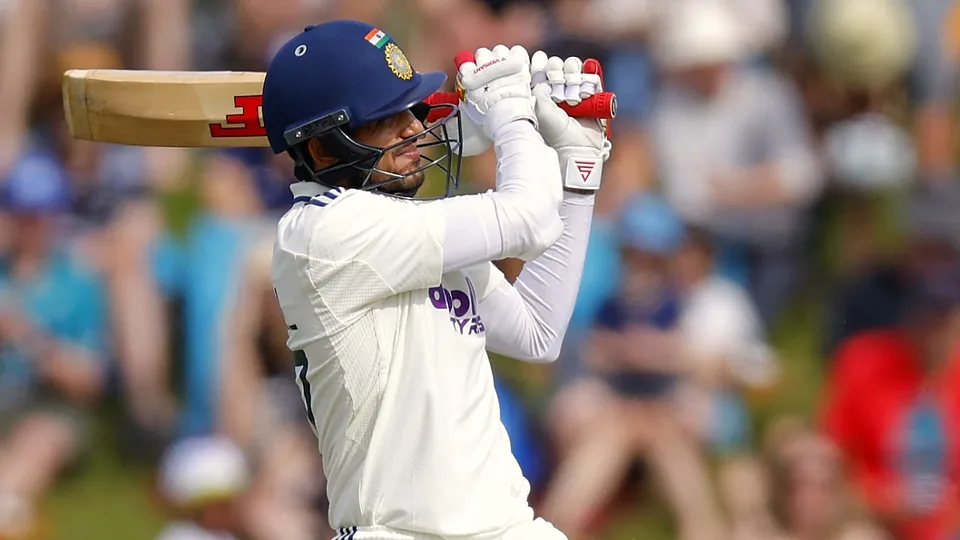
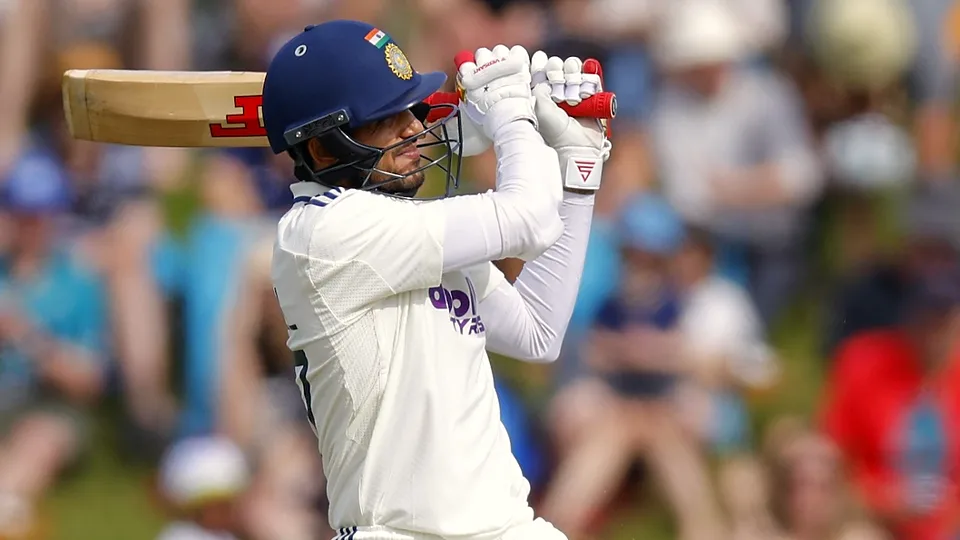
Look at the scoreboard and you see the architecture of a dominant innings. KL Rahul didn’t just score; he anchored. His century came from the first 80 overs with surgical precision. No wasted motion. No reckless slog. He turned the field over and over again, making the Kiwi bowlers run through their lengths before the ball even reached him. It was a masterclass in controlling the strike rate when the dew factor hasn’t even kicked in yet.
Gill’s Ninety-Eight And The Cost Of Ambition
Shubman Gill, on the other hand, fell two runs short of his own hundred. That number, 98, will stick in his mind. But let’s be clear: falling short of a milestone in a match like this is not failure. It’s the grind of Ranji-level persistence applied at the highest stage. He pushed the hard length well into the 50s, forcing the bowlers to back away. Every single run was earned against a seam-up, skiddy surface that punished any misjudgment on the edges. New Zealand had no answer to the middle-overs choke. They threw the new ball at the start, but by the third hour, the attack was stagnant. The Impact Player gamble didn’t pan out for them. They needed more fire, not just pace.
India’s top five all scoring half-centuries or more isn’t just a stat. It’s a statement. When you have five players crossing that threshold, the opposition attack is dead in the water. You can’t bowled into the pitch effectively when the batters are rotating the strike with such authority. The boundary-percentage was healthy, too. Not reckless, but controlled aggression. This is how you dismantle a team that relies on disciplined fielding. You make them chase ghosts.
Why The Kiwi Attack Fluffed It
New Zealand’s bowling strategy was predictable from the very first over. They tried to attack the stumps too early, then drifted away to save the new ball’s life. That’s a mistake on this surface. The red soil in Chennai rewards consistency, not bursts of pace. Once the batters settled, the Kiwis had no variation left. No skiddy hard length to force a defensive shot. No slower seamer to break the rhythm. Just straight runs. It’s a tale as old as time, but it stings more when you’re trailing by double digits with two days left.
From the stands, the crowd in Chennai was barely audible, but the tension was palpable. The players knew the difference between a chaseable target and a fortress. India is building a fortress. The next two days will be about whether New Zealand can find the cracks. Can their tail order hold up against India’s seamers? Can they score enough in the final session to keep the live tournament coverage interesting? Probably not.
"When your top five all score 50-plus, you’re not playing cricket. You’re administering the opposition." - Dressing-room chatter, post-tea session
For live tournament coverage, this is the highlight reel right now. No close finishes. No last-minute drama. Just a team in total control executing a game plan from the press box. The Kiwis will need a miracle. They will need their bowlers to suddenly find a line outside off that wasn’t there before. They will need their batters to score 12 runs an over against India’s pace attack for 80 overs. It’s not happening. Not unless the weather intervenes, and even then, India is too deep. The match is effectively over. The next two days are just for formality.
Related coverage
- Jaipur’s Dew Factor Distorts IPL 2026 Stats: Live Tournament Coverage Analysis
- Orange Cap Tracker: Live Tournament Coverage Exposes IPL 2026 Batting Trends

Updated 2026-11-23 · Instant Rupee Deposits & 60s Withdrawals · 24/7 Support.
Access Official OutdoorSports Portal →Senior Features & Tournament Writer · Kolkata Desk
Ritika Malhotra reports on franchise leagues, the WPL, and domestic Indian tournaments for OutdoorSports. Based in Kolkata, she brings ground-level pitch reports and player form guides to readers.
Reader Discussion & Match Reactions (5)4.8★ Community (5 Comments)
Verified Indian cricket reader perspectives & tactical debate on outdoorlifenorway.com
The Ranji-level persistence quote is wild. Most top players avoid that grind now, but Rahul’s 118 in 80 overs shows why state association talent feeds the international setup.
80 overs for a hundred? That’s a strike rate under 150 on a red soil track. Kunal says the new ball did the talking early, but those metrics suggest total control over the Kiwi bowlers.
Let’s not romanticize Gill’s 98. Two runs short on a skiddy surface isn't a tragedy; it's the price of pushing hard length when selectors demand volume over milestones.
Grassroots pathways aren't just about talent. Rahul's surgical precision hints at how state academies now drill strike rotation before the dew factor even becomes a variable in the game.
@Anirudh_Guwahati exactly. Plus, that 118-run deficit by tea on sticky red soil is what actually matters. The article notes the dressing-room chatter will be tense, not just about the run rate.
Join the Discussion (5 Reader Comments)
Related Articles
See All
Today IPL Match Prediction: Toss, Pitch Report And Winner Analysis
Jul 10, 2026