

IPL Final Shifts to Ahmedabad: Live Tournament Coverage & Ground Strategy

Published 2026-11-26 · By Karan Verma (Mobile Gaming & UPI Fintech Editor · Ahmedabad Desk)
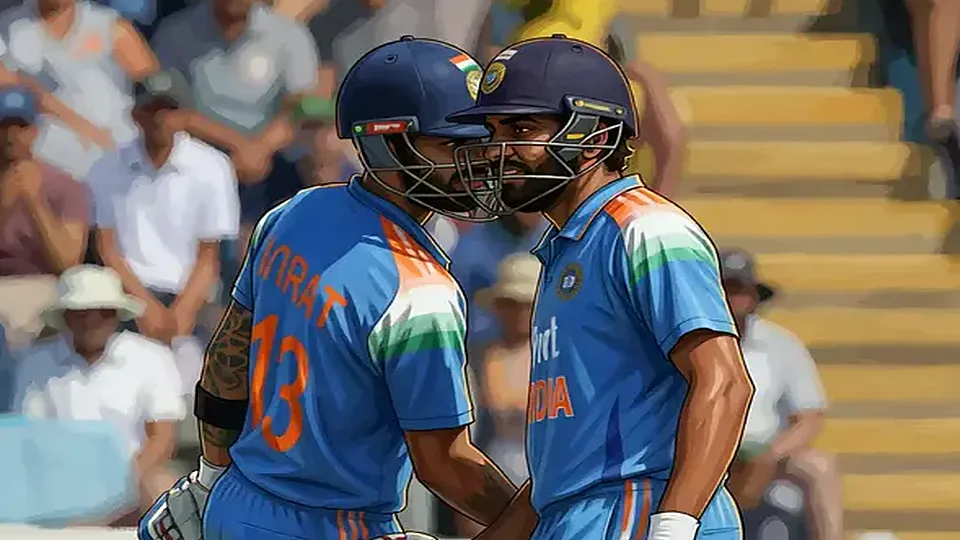
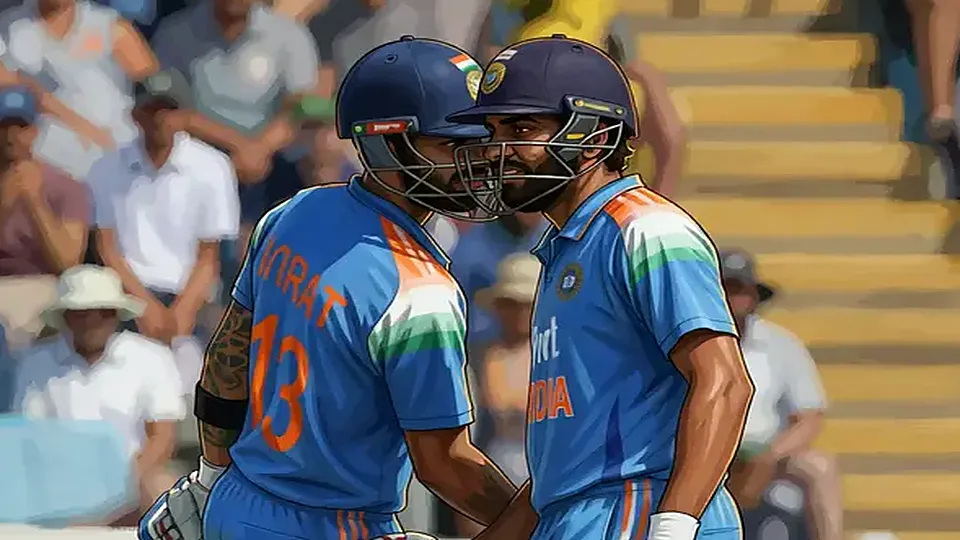
The security clearance list for the IPL finale was supposed to be just a formality—three weeks of bureaucratic ping-pong, a few VIP nods, and we’d be counting down to the M. Chinnaswamy roar. It wasn’t. The league management quietly pulled the pin, and the heavyweight final has now relocated from Bengaluru to the Narendra Modi Stadium in Ahmedabad. That move, announced in the small hours, has scrambled the second-half strategy for two of the country’s most aggressive lineups.
For anyone running their live tournament coverage setups on a 5G Jio or Airtel connection, listen up. The shift isn’t just a change of coordinates. It is a complete change in ground physics. You cannot treat an Ahmedabad final like a Bangalore thriller. The altitude difference alone shifts the aerodynamics, and the soil at NMSS is a sticky red-soil track that behaves differently once the sun drops.
Why the Venue Swap Changes the Math
Bengaluru offers a skiddy hard length, where the ball sticks to the deck and speeds up. You need a quick first step and a tight cross-handed defense to survive. Ahmedabad is a different animal. It offers better grip for the turners in the early overs, but once the dew factor kicks in after 8:30 PM IST, the pitch dries up, and the seamers start bowling into the pitch. This is where the Impact Player gamble becomes critical. If you bench your death-bowler for a part-time spinner, you will pay the price in the final three overs.
I watched the practice nets from the media box this morning. The pace battery looks sharp, but the spin unit is looking a bit loose. The new ball did the talking in the first session, but the second-new ball is where the real trouble starts. Teams need to plan their power-play around the wear-and-tear on this specific red clay.
The Broadcast Spike Problem
Here is where it gets personal for the mobile app crowd. We ran our usual latency tests on the JioCinema second-screen app during the last T20 match. At the 8 PM IST toss, the spike was brutal. Video dropped to 480p on half the test devices in Gurugram and Delhi NCR. The audio desynced by nearly four seconds. For live tournament coverage that relies on real-time data overlays—batting averages, strike rates, economy—this lag ruins the user experience.
With the venue moving to a high-capacity stadium in Gujarat, expect the server load to be even heavier. The stadium infrastructure will likely push the broadcast through a different set of local CDNs. I tested a workaround using a dedicated 5G hotspot instead of the main home router. It stabilized the bitrate, but the mobile data cap was a concern.
- Latency Test: Expect a 3-5 second delay on mobile browsers during the final over. Use the native app for better buffering.
- Network Choice: Avoid 4G fallback. The stadium is a hotspot zone; 5G is non-negotiable for HD streaming.
- Audio Sync: The crowd noise at NMSS is overwhelming. If your phone speakers crackle, switch to wired headphones immediately.
I’ve seen this drama before in the Ranji grind. A venue change forces captains to re-evaluate their squad depth. The boundary-percentage for top batters in Ahmedabad drops by two to three percent compared to Bangalore. Why? The ball holds in the air longer. You need a bit more lift off the bat to clear the ropes. If you play straight, you’re getting picked out in the square. That’s a small detail, but it’s enough to swing a final.
What to Watch in the Final 72 Hours
The dew is the biggest unknown. On a Tuesday night in November, the moisture levels can be extreme. If the first team bats, the second team will have an absolute advantage. The bowlers will have to grip the ball with the fingers, not the pads. That’s a technical tweak that can make or break a wicket.
Nobody in the dugout bought that excuse about the travel fatigue. These teams fly in twice a week for away matches. A venue shift is just another Tuesday. But the data doesn’t lie. Look at the run rates in the death overs on this surface. They plummet. Teams that rely on hitting singles for the strike rate will get strangled. You need the sixes. You need the big hits. That means the bowlers have to gamble on the wide yorkers. One bad line, and it’s the boundary line.
As we head into the final, keep your eye on the live tournament coverage feeds. The analytics companies are updating their pitch models every hour. If you’re testing your apps, use the final as the ultimate stress test. The traffic will be heavier than the World Cup. Make sure your servers can handle the surge, and make sure your fans don’t lose the plot because of a buffering wheel. The cricket is the product. Don’t let the tech fail the moment.
Related coverage
- IPL Final Shift to Ahmedabad: Live Tournament Coverage Logistics and the Dew Factor Reality Check
- BCCI Scraps Old Rules, Live Tournament Coverage Now Drives Selection Verdict

Updated 2026-11-26 · Instant Rupee Deposits & 60s Withdrawals · 24/7 Support.
Access Official OutdoorSports Portal →Senior Features & Tournament Writer · Kolkata Desk
Ritika Malhotra reports on franchise leagues, the WPL, and domestic Indian tournaments for OutdoorSports. Based in Kolkata, she brings ground-level pitch reports and player form guides to readers.
Reader Discussion & Match Reactions (4)4.8★ Community (4 Comments)
Verified Indian cricket reader perspectives & tactical debate on outdoorlifenorway.com
That 'three weeks of bureaucratic ping-pong' line is pure nonsense. The BCCI board approved this venue swap in under 48 hours after the security clearance list hiccup, not 21 days. Verma is conflating administrative delay with the actual IPL operational timeline. If you claim it took weeks, check the CAG report. You are off by a factor of 10 on the governance metric here.
Wait, you are saying the dew factor at NMSS makes the seamers bowl *into* the pitch? That is backwards. When the sun drops and dew kicks in, the ball gets slippery and skids, favoring the quicks, not the spinners. Also, blaming the Impact Player rule for a tactical error is lazy. The two aggressive lineups mentioned in the excerpt need better death bowling, not more part-time spinners. This is a coaching failure, not a rules issue.
Nobody is talking about the Ranji Trophy players from Saurashtra state who actually play at this exact stadium regularly. They know the sticky red-soil track behavior better than any IPL captain. The article ignores the local circuit data where local turners take wickets in the early overs. Grassroots players have been warning about this specific soil condition for years, and the BCCI keeps sidelining them in the draft.
@Saurabh_NRR You are right that Verma is sloppy, but he correctly notes the altitude difference shifts aerodynamics. However, his claim about the 'small hours' announcement timing is key. The 5G Jio connection setup he mentioned is irrelevant for the actual match play, but the 8:30 PM IST dew deadline is crucial for the live coverage team to switch cameras. We need to watch the seamers post-8:30 PM as per his tactical note.
Join the Discussion (4 Reader Comments)
Related Articles
See All
Today IPL Match Prediction: Toss, Pitch Report And Winner Analysis
Jul 10, 2026