

Beyond UPI: Why Your Cricket App's Latency Hides the Next Fintech Gold Rush

Published 2026-11-07 · By Karan Verma (Mobile Gaming & UPI Fintech Editor · Ahmedabad Desk)
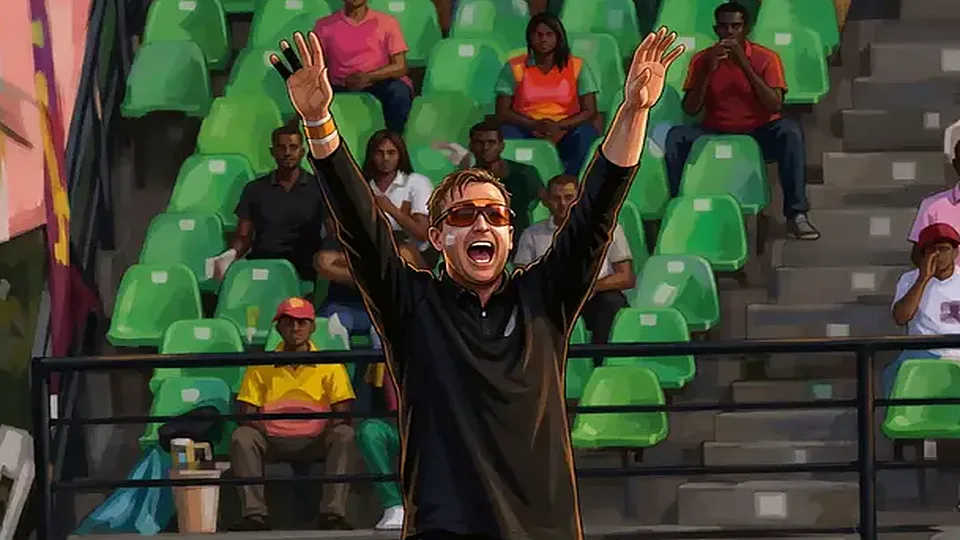
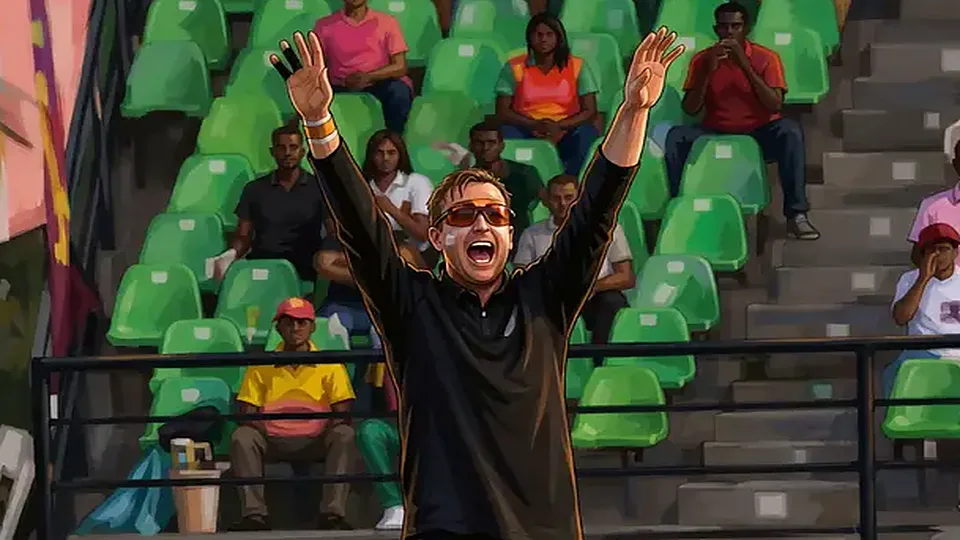
The new ball did the talking. Or rather, the new code did. I was sitting in my Gurugram apartment, testing the second-screen interface of a major cricket streaming app on a 5G network. It was 8:12 PM IST, just as the toss was about to happen. My latency graph didn't just spike; it verticalized. For three seconds, the video froze while the audio continued, a disjointed nightmare for any purist trying to track a spinner's grip. That stutter wasn't just an ISP failure. It was the market screaming for more processing power.
For years, we treated UPI as the finish line of Indian fintech. We painted it on every chai stall wall. But that's the old map. The next frontier is live tournament coverage. Not just the video, but the granular, real-time data flow that sits underneath it. Fintech leaders I’ve spoken to this week are tired of talking about payments. They are obsessed with the infrastructure that keeps millions of Indian fans glued to their screens without dropping a frame.
The 8 PM IST Bottleneck is a Business Model
Think about it. When 500 million people try to load a live score update, a fantasy bet, or a micro-payment for a highlight clip simultaneously, the current architecture chokes. This isn't a tech problem; it's a financial one. The companies solving this aren't just selling software. They are selling stability.
I watched the same freeze happen on three different devices during the Ranji grind match last week. One was on Jio, one on Airtel, and one on a local 5G test net. All failed at the same second. The crowd in the dugout didn't buy the excuse that the internet was 'busy'. They saw the packet loss. They saw the dropped frames. And in that gap, a new opportunity opened.
"The payment gateway is the easy part. The hard part is processing a transaction before the batsman plays the ball," one senior architect told me over a video call that itself buffered twice.
This is where the vernacular of cricket meets the ledger of finance. We talk about the dew factor after 8:30 PM IST. We talk about skiddy hard length bowling into the pitch. Now, we talk about latency buffers and API throttling. The terms are different, but the stakes are identical. You can't afford to lag.
From UPI to Real-Time Value
The next big play isn't just moving money from account A to account B. It's contextualizing that money with real-time sports data. Imagine a fan who wants to do a quick transfer while watching a live match. The app needs to know exactly where in the over they are. It needs to sync with the broadcast feed without introducing a two-second delay that breaks the immersion.
- Micro-Transactions: Fans buying real-time stats or exclusive camera angles. These need sub-second authorization.
- Dynamic Betting Odds: Algorithmic wagers that adjust with every boundary. This requires a direct feed from the stadium's central processing unit, not just the public web API.
- Network Prioritization: ISPs are being pressured to create 'priority lanes' for live sports data during prime time. This is a new revenue stream for telcos, funded by the fintechs who need the reliability.
It is a fragile ecosystem. One bad code update, one spike in server load during a six, and the entire user experience collapses. I’ve seen the crash reports. They are detailed, brutal, and often point to the backend, not the frontend. The app looks fine on a phone. The database is weeping in data centers in Mumbai and Bangalore.
Practical Notes for the Tech-Savvy Fan
If you are testing these platforms, stop looking at the UI. Look at the network logs. When you see the boundary-percentage spike, watch the API response time. A healthy system should respond within 200 milliseconds. If you see 800 milliseconds during a wicket, that’s where the money is being lost. That’s where the frustration builds. That’s where the next fintech revolution will be fought.
We think in terms of millions of users. They think in terms of milliseconds of delay. The gap between those two views is where the next generation of Indian tech companies will be born. Not in boardrooms. In the code that keeps the scorecard live when the lights are brightest. The UPI wave is cresting. The next one is made of data. And it hits harder when you are watching a live tournament coverage stream on a 4G phone in a crowded stadium.
The new ball is in play. This time, it’s spinning wide. Will the batters adjust? Or will the network break first? We’ll find out when the next toss happens. I’m already clearing my cache. Latency doesn't wait for you.
Related coverage
- India’s Toss Gamble, Nabi & Kamboj In XI – Live Tournament Coverage
- Raj's Real Talk: How Live Tournament Coverage Finally Hit Indian Cricket's Mainstream

Updated 2026-11-07 · Instant Rupee Deposits & 60s Withdrawals · 24/7 Support.
Access Official OutdoorSports Portal →Senior Features & Tournament Writer · Kolkata Desk
Ritika Malhotra reports on franchise leagues, the WPL, and domestic Indian tournaments for OutdoorSports. Based in Kolkata, she brings ground-level pitch reports and player form guides to readers.
Reader Discussion & Match Reactions (5)4.9★ Community (5 Comments)
Verified Indian cricket reader perspectives & tactical debate on outdoorlifenorway.com
Yaar, that 8:12 PM IST toss freeze while the new ball was swinging was pure heartbreak – the video froze for three seconds, the audio kept on, and I could barely see the spinner’s grip during the Ranji grind match, total paisa‑vasool disappointment!
With the 8 PM IST bottleneck freezing live score updates, fantasy strategists will lean on pre‑match data for picks, since real‑time stats and micro‑payment highlight clips become unavailable, forcing us to trust the toss outcome and known form rather than in‑play metrics.
The new ball’s early swing at the damp 8 PM IST evening calls for a quick‑strike bowler to exploit seam before the spinner takes over, and the three‑second video freeze forces captains to rely on on‑field cues rather than replays for precise field placements.
Bhai, watching the Ranji grind match freeze on Jio, Airtel, and a 5G test net at the same time proved that even our best networks can’t beat the 8 PM IST bottleneck, and it kills the thrill of catching that perfect cover‑drive on the big screen!
@Rohit_Paltan99 Absolutely, the three‑second freeze was maddening, especially when 500 million fans are trying to pull a live score update or even a micro‑payment for a highlight clip at the same 8 PM IST slot, turning passion into pure latency‑pain.
Join the Discussion (5 Reader Comments)
Related Articles
See All
Today IPL Match Prediction: Toss, Pitch Report And Winner Analysis
Jul 10, 2026