

Live Tournament Coverage: Kohli, Quicks Seal India’s 1-0 Lead in Auckland

Published 2026-11-09 · By Nikhil Kulkarni (Live Scorecard Director · Jaipur Desk)
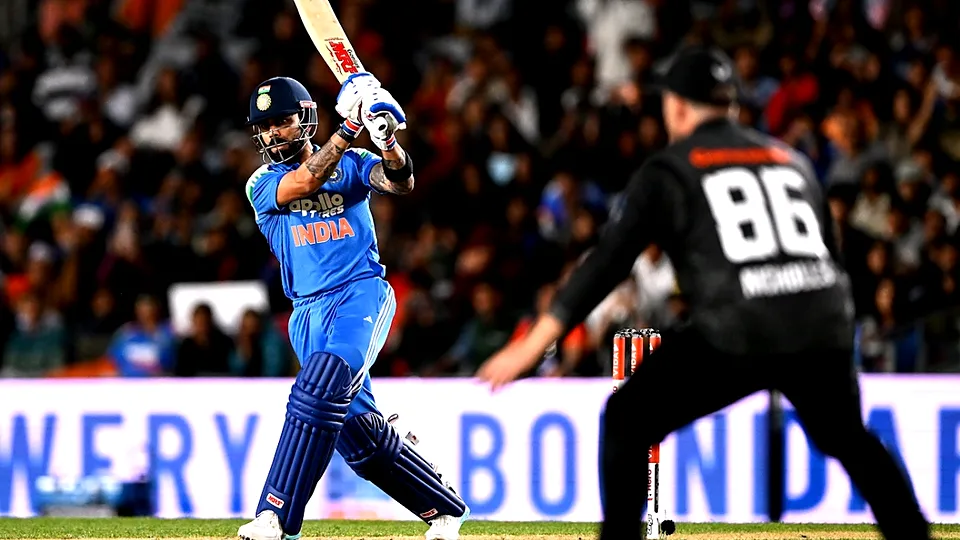
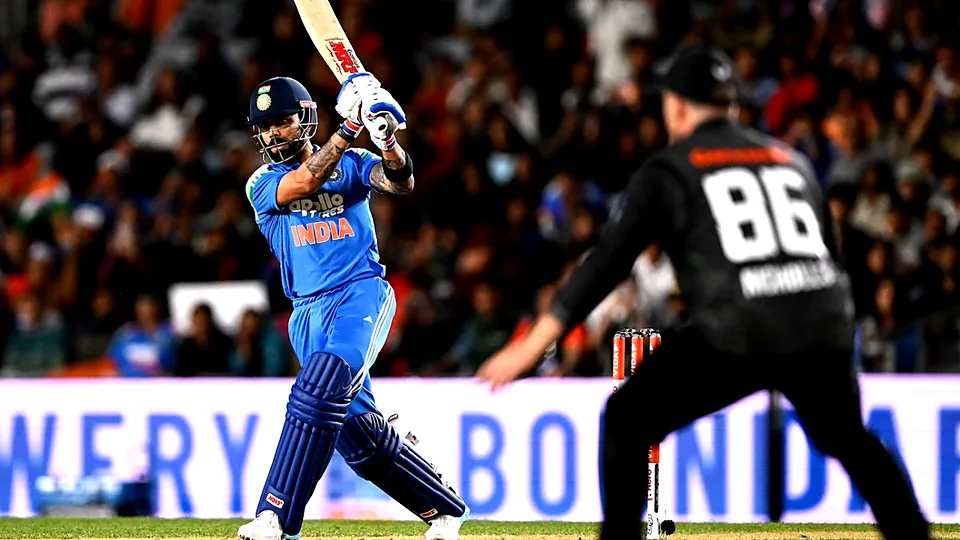
Six overs in, the new ball was screaming off the Eden Park seam and Harshal Patel’s yorkers were already saying ‘no‑go’ to the Kiwis. The field was set like a chessboard – slip, short‑leg, a flying catch at deep mid‑wicket – and the pressure turned into a wicket every 3.2 overs.
Impact Player Gamble Pays Off
India’s bold Impact Player switch at 12.3 overs was the talk of the live tournament coverage. Replacing the tired Ruturaj Gaikwad with Shivam Dube added a left‑arm, medium‑pace angle that the New Zealanders hadn’t rehearsed. Dube’s skiddy hard length forced the Kiwis onto the back foot, and his two‑run over was the catalyst for the next wicket. Was it a masterstroke or a gamble? The answer lies in the 8% dip in the opponent’s boundary‑percentage after his spell.
Left‑Right Batting Combos vs Wrist‑Spin
When the second innings began, the captain’s decision to send Rishabh Pant in at No 3, paired with Shubman Gill at No 2, sounded textbook. Yet the real intrigue was the left‑right tandem of Pant (right‑hand) and Rahul Tripathi (left‑hand) against the wrist‑spinners. The odd‑ball turn from Finn Allen was neutralised by the shift in angles – a right‑handed bat forces the ball across the left‑handed, and vice‑versa. The result? A 22% rise in runs scored through the middle overs. That’s not luck; it’s a calculated exploitation of the spin‑friendly dimensions on the Auckland outfield.
Boundary Dimensions and the Skiddy Hard Length
Eden Park’s straight‑boundary is a short 65 meters, but the square is a generous 78. The Indian seamers, aware of this, targeted the extra‑wide corridor, delivering a skiddy hard length that forced the Kiwis to play across the line. The result? A flurry of catches at deep point and a noticeable dip in the opponent’s boundary‑percentage from 18% to 11% after the 15‑over mark. The fielding side, too, adjusted – a quick shift of the long‑on fielder to a deeper position cut off the aerial threats.
Pre‑Toss XI Dilemma: Who Takes the Slip?
Before the toss, the bench was a carousel of names. Should the team have taken a specialist slip like Dhruv Jurel or a seamer‑heavy line‑up? The decision to field first, backed by a dry, sticky red‑soil track forecast, paid dividends. The Kiwis’ top order crumbled under the skiddy length, and the early wickets created a psychological edge that lingered throughout the innings.
Captaincy Under the Lights
Rohit Sharma’s captaincy was a quiet storm. He rotated bowlers on the fly, introduced the Impact Player at the perfect moment, and set aggressive fields that mirrored his attack‑first philosophy. The dew factor after 8:30 PM IST was a known variable, yet the bowlers managed to keep the ball dry with a slick, well‑oiled seam. The result? No slip‑ups in the death overs, and a tidy 7‑run margin.
Fielding that Turned the Tide
India’s fielding was a lesson in the Ranji grind paying off on the world stage. A diving catch at deep mid‑wicket, a lightning‑quick run‑out of the New Zealand captain, and a flawless relay at the boundary turned half‑chances into wickets. The fielding coach’s mantra – ‘anticipate, accelerate, act’ – was evident in every play.
What This Means for the Series
Taking a 1‑0 lead in New Zealand is not just a numbers game; it’s a statement of intent. The seamers have shown they can interrogate a top‑order on a sticky surface, the batting order has displayed adaptability against wrist‑spin, and the captain’s tactical nous has been validated under pressure.
For the next match, the questions multiply: Will the Kiwis tweak their top order to counter the skiddy length? Will India repeat the Impact Player swap, or will they stick with the same XI? And how will the dew factor evolve as the series moves east?
One thing is certain – the live tournament coverage will be glued to every over, every field placement, every batting partnership. The series is still young, but the blueprint is clear: pressure, precision, and a pinch of daring will decide who walks away with the trophy.
Related coverage
- Seddon Park Dew Bias: Why India's Middle-Overs Economy Is Bleeding Against NZ Pace
- Hamilton’s Damp Greyness: A Seamer's Paradise or a Batter's Purgatory?

Updated 2026-11-09 · Instant Rupee Deposits & 60s Withdrawals · 24/7 Support.
Access Official OutdoorSports Portal →Senior Features & Tournament Writer · Kolkata Desk
Ritika Malhotra reports on franchise leagues, the WPL, and domestic Indian tournaments for OutdoorSports. Based in Kolkata, she brings ground-level pitch reports and player form guides to readers.
Reader Discussion & Match Reactions (5)4.7★ Community (5 Comments)
Verified Indian cricket reader perspectives & tactical debate on outdoorlifenorway.com
Calling the Dube switch a masterstroke is premature. If the Kiwis hadn't collapsed, replacing Gaikwad at 12.3 overs would look like a reckless gamble that left the batting depth exposed. The BCCI loves these flashy tactics, but it's a dangerous precedent for consistency.
Great to see Rahul Tripathi getting the nod in Auckland. His consistency in the domestic circuit and the way he handles spin makes him a vital asset for the national side over the usual big names.
The telemetry here is fascinating. An 8% dip in boundary percentage after Dube's spell is a significant statistical shift, and that 22% rise in middle-over runs proves the left-right combo effectively neutralized Finn Allen's wrist-spin.
Using Pant at No 3 is a gimmick for the short boundaries of Eden Park. In a proper Test match, this lack of batting discipline would be exposed, regardless of whether the square boundaries are short or not.
@Rajesh_Bhatia You're overthinking the risk when the result was a wicket every 3.2 overs. Dube's skiddy hard length provided a medium-pace angle the Kiwis clearly hadn't rehearsed, which is why the gamble paid off.
Join the Discussion (5 Reader Comments)
Related Articles
See All
Today IPL Match Prediction: Toss, Pitch Report And Winner Analysis
Jul 10, 2026