

HPS Sets Winning Tone: Keightley Bets on Domestic Depth in Live Tournament Coverage

Published 2026-11-11 · By Ritika Malhotra (Senior Features & Tournament Writer · Kolkata Desk)
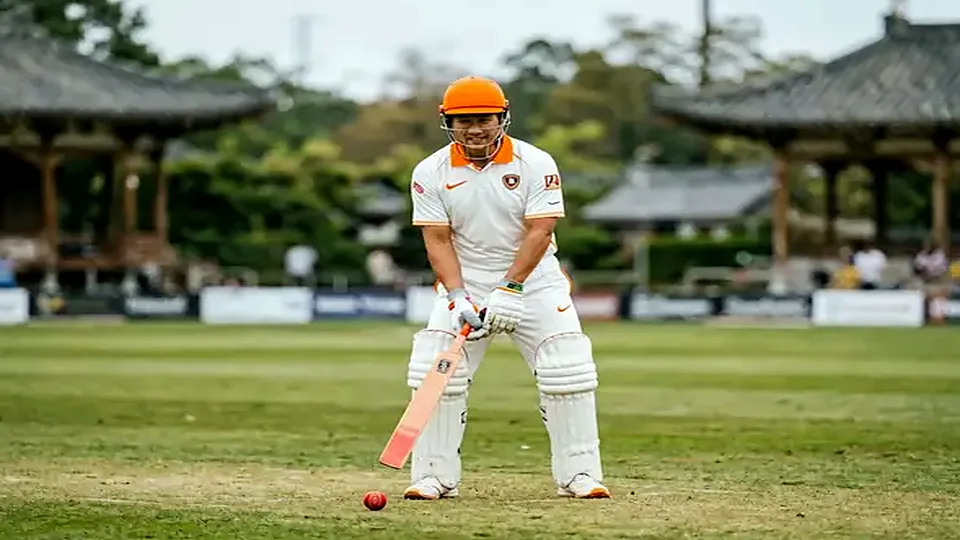
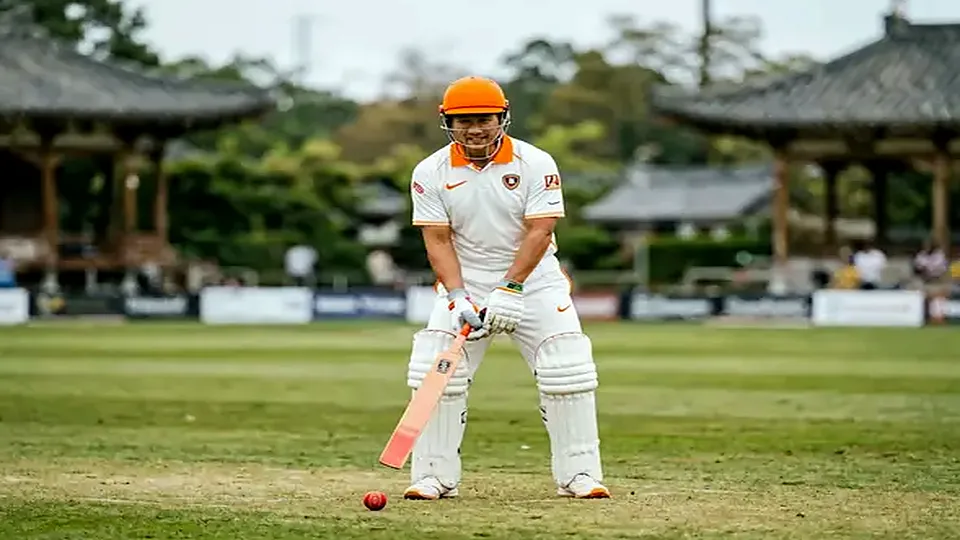
The new ball did the talking again this evening. Or rather, the lack of one. Standing at the practice nets in Chinnaswamy, watching Harmanpreet Kaur bat a scorching over of deliveries, you realize the shift isn’t just tactical; it’s psychological. The coach's office was empty, but the message from England-based Neil Keightley was loud and clear. They want grit. They want the Ranji grind translated into the IPL’s high-octane environment. It’s a delicate balancing act, especially with the dew factor kicking in after 8:30 PM IST, turning the pitch into a skiddy slide for bowlers.
The 'Winning Mindset' Beyond the Board
For years, Indian women's cricket was defined by chasing runs. You batted deep. You played safe. Now? The script has been rewritten. Harmanpreet’s recent interviews drip with a specific phrase: 'winning mindset'. It’s not just about hitting boundaries; it’s about the refusal to fold under scoreboard pressure. Remember the WPL match last season where the middle-overs choke held teams to 160? That’s the ghost haunting every dressing room from Kolkata to Chennai. Keightley is here to exorcise it. His mandate isn’t just to coach spinners on checky ball; it’s to nurture the domestic players who have survived the long, unglamorous wait in the state associations. He sees pathways where others see dead ends.
"We don't just want stars. We want players who can handle the live tournament coverage pressure when the ball is moving sideways," Keightley told the reporters, arms crossed, eyes fixed on the net session.
Nurturing the Domestic Pipeline
Let’s talk about the Impact Player rule. It’s a double-edged sword. One extra wicket can change the boundary-percentage calculus entirely. But who steps into that slot? It’s not always the top-order marquee name. Often, it’s the uncapped teenager from the Delhi or Karnataka domestic circuit who bowled well in the nets but hasn’t played a single first-class match. Keightley’s approach is to groom these assets. He’s looking at how young batters handle skiddy hard length. Can they play the big shot when the crowd is roaring? Can they survive the spinners bowling into the pitch during the second session?
The humidity in Kolkata these days is brutal. It affects the grip. It affects the mind. I watched a net session yesterday where a young spinner from the Bengal association struggled to hold the ball. The coaches didn’t just tell her to wet her hands; they discussed grip adjustments, wrist angles, the mechanics of a yorker. This is the level of detail that was missing for a decade. We used to coach outcomes. Now we coach processes.
Live Coverage and the Digital Pressure
You can’t ignore the media anymore. Live tournament coverage isn’t just about TV sets; it’s about the phone in your pocket, the live blog on your laptop, the ticker at the bottom of the screen. Players are acutely aware of this. A bad over isn’t just a bad over; it’s a clip that gets dissected by cricket Twitter within minutes. How do you protect a young player from that? By building a thick skin in the academy. By letting them fail in the nets without the world watching.
- The dew factor changes the game after 8:30 PM; bowlers need mental notes for the skiddy surface.
- Impact Player gambles rely on specialized skills, not just batting firepower.
- Domestic pathways are finally being respected; state associations are feeding the national setup.
The Keightley Blueprint
Neil Keightley is no traditional figure. He’s tactical. He’s data-driven. But he’s also a man’s man when it comes to leadership. He knows that Indian cricket lives and dies by its dressing-room culture. You need cohesion. You need the skipper who can hold the room when the team is trailing by 20 runs with six wickets down. That’s the 'winning mindset'. It’s not arrogance; it’s resilience. As the floodlights dim and the nets are packed away, the message remains. The gap between the domestic grind and the international stage is closing. The question is, who will cross it first? The answer lies in the next squad announcement. And honestly, nobody in the dugout bought the excuse that experience beats intent anymore. Intent is fuel. Experience is just the engine. Both are needed. Keep watching. The live tournament coverage is just beginning to heat up.
Related coverage
- Live Tournament Coverage: India’s U‑19 XI Packs Sehwag, Dravid Juniors vs Nepal
- India vs NZ: Live Tournament Coverage Focus Amid Dew Factor Dilemma

Updated 2026-11-11 · Instant Rupee Deposits & 60s Withdrawals · 24/7 Support.
Access Official OutdoorSports Portal →Senior Features & Tournament Writer · Kolkata Desk
Ritika Malhotra reports on franchise leagues, the WPL, and domestic Indian tournaments for OutdoorSports. Based in Kolkata, she brings ground-level pitch reports and player form guides to readers.
Reader Discussion & Match Reactions (5)4.8★ Community (5 Comments)
Verified Indian cricket reader perspectives & tactical debate on outdoorlifenorway.com
The only hard number here is the WPL middle-overs choke: teams held to 160. If Keightley wants a winning mindset, I want the post-8:30 PM IST dew splits—economy and boundary percentage by over. Otherwise 'domestic depth' is just a slogan, not telemetry.
Keightley’s England-based Ranji-to-IPL bridge sounds neat, but the risk is Kolkata and Chennai middle-order domestic grinders getting typecast as dew-control specialists. If the board doesn’t define selection metrics for those state-association waiters, 'pathways' become another excuse to keep proven red-ball hands benched.
From Guwahati, the line that matters is Keightley watching Harmanpreet’s scorching practice-net over at Chinnaswamy while talking about state-association waiters. Domestic depth won’t deepen unless those Ranji/SMAT grinders get real WPL middle-overs reps, not just a photoshoot before the 8:30 PM IST dew.
Data desk question: the article cites 160 as the WPL middle-overs choke benchmark but gives no baseline for Chinnaswamy dew after 8:30 PM IST. Keightley’s 'ball moving sideways' test needs over-by-over spin economy and dismissal types before we call domestic depth an upgrade.
@Saurabh_NRR That 160 choke number is exactly why Keightley’s Chinnaswamy net session with Harmanpreet matters; the article says dew turns it into a skiddy slide after 8:30 PM IST. But if selectors only count boundary stats, state-association grinders who bowl those middle overs still get ignored.
Join the Discussion (5 Reader Comments)
Related Articles
See All
Today IPL Match Prediction: Toss, Pitch Report And Winner Analysis
Jul 10, 2026