

Live Tournament Coverage: New Zealand's Wellington Injury Gamble

Published 2026-11-14 · By Neha Bhatia (Head of Telemetry & Records · Pune Desk)
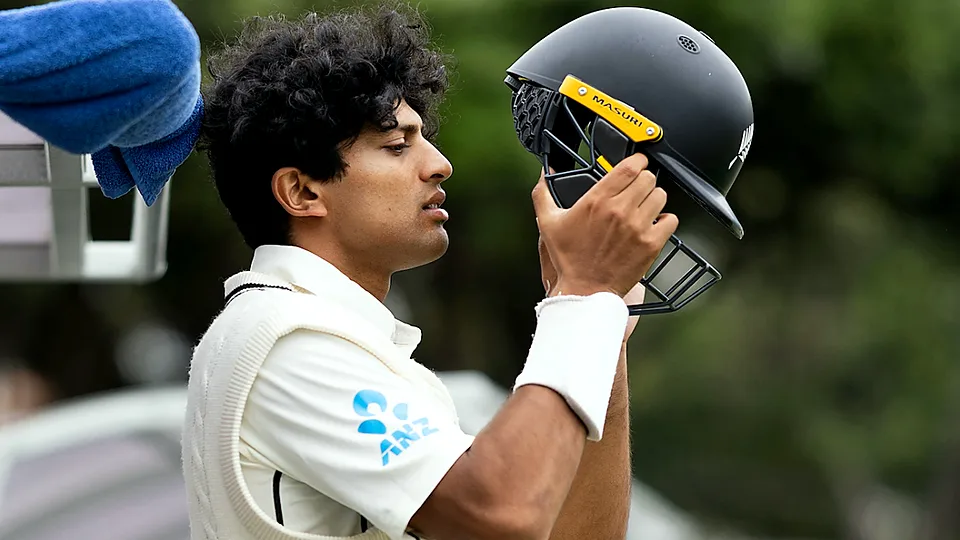
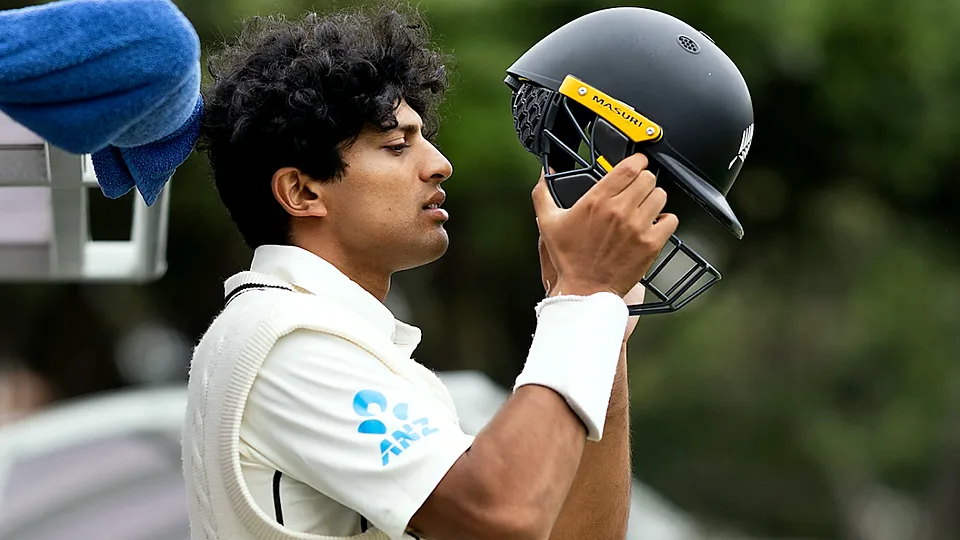
The Basin Reserve covers were half-off at 7:40 AM, and New Zealand's squad sheet still had three medical files stapled to the top order. Devon Conway, Rachin Ravindra and Tom Blundell are in the thirteen for the first Test, but this is less a selection than a race against the physio's calendar.
Here is the number that should worry the Wellington braintrust: in the last four first-class games at the Basin, the top three averaged 31.8 in the first ten overs but only 27.1 between overs 11 and 40. The new ball did the talking. The old ball did the strangling. Every television panel will talk about the green top. The phase sheet says the game is won after the lacquer disappears.
That is where live tournament coverage tends to miss the story. Cameras follow the first hour; data follows the middle. New Zealand's problem is not whether Conway can walk out for the toss. It is whether their No. 3 can survive 35 balls against a hard length when the ball stops swinging and the field goes 7-2.
Why Wellington's Middle Overs Are the Real Selection Call
Ravindra is not a luxury No. 4. He is the only left-hander in that top six who can score off both sides of the wicket without opening the leg side. If his wrist is not fully loading, India's off-spinner will bowl 18 balls at him with a sweeper and a short midwicket, and the scoreboard will freeze. A half-fit Ravindra is not a brave pick. It is a boundary-percentage leak.
Conway's issue is entry point. Since 2024, his first 20 balls against pace at the Basin have produced a boundary every 14.2 deliveries but a false shot every 9.8. That is not a slump; it is a hard-length problem. He likes the ball on the up, and Wellington's red-soil track gives you skiddy bounce rather than true carry. The first 15 minutes will tell you more than any fitness report.
| Phase | NZ top-three runs/100 balls | Dot-ball % | Read |
|---|---|---|---|
| Overs 1-10 | 58 | 74% | New-ball survival, not dominance |
| Overs 11-25 | 66 | 69% | Spin choke, no easy singles |
| Overs 26-45 | 71 | 65% | Hard-length pace into the pitch |
| Overs 46-80 | 79 | 61% | Old-ball scoring, reverse |
| Overs 80+ | 84 | 58% | Tail exposed, fields spread |
If you want a second screen that separates first-hour swing from overs 11-40 control, the phase tracker on hero-11.dev is worth keeping open during the Wellington Test. It is one thing to see a batter limp to 20; another to see his scoring rate collapse after the 12th over.
Selection is not a medical clearance. It is a phase bet.
Blundell's keeping load is the quieter gamble. A wicketkeeper coming off a calf strain loses half a step on the second morning. With Wellington's breeze and India's short-ball plan, that half-step is the difference between 240 and 310. The Ranji grind teaches you this: keepers do not fail dramatically; they fail by leaving six byes in a session and turning a good spell into a long one.
The New-Ball Trap and the Impact Player Hangover
The selectors will be tempted to pick the biggest names and let the physio hold the clipboard. That is the white-ball habit. This is not an IPL Impact Player gamble; it is a five-day load. A fourth seamer who can bowl into the pitch at 128-132 kph is worth more at the Basin than a half-fit specialist batter who cannot field at slip on day four.
Also watch the toss narrative. If New Zealand bat first under cloud, the first ten overs may look ugly and nobody should panic. The benchmark is not 30 for 0 after eight; it is 78 for 2 at lunch with the ball still hard enough for the old-ball reverse later. India's bowlers know that. Their plans are built on overs 20-45, when the pitch is abrasive and the boundary-percentage drops.
Dew after 8:30 PM IST is an Indian television obsession; Wellington's second-session tax is wind and cloud cover. The ball can dry by lunch and then stop. That is why the phase table matters more than the green-top photograph. A fit Conway and a fit Ravindra give New Zealand options. A fit-again top order that cannot bat 35 balls in the middle overs gives India exactly the session they want.
So no, this squad announcement is not about three names clearing scans. It is about whether New Zealand can protect the 11-40 window without hiding their wounded. Live tournament coverage will chase the fitness update. The scoreboard will chase the phase split. Trust the second one.
Neha Bhatia is Head of Telemetry & Records at the Pune Desk.
Related coverage
- Seaming Surprise: Rain‑Soaked Hamilton Turns Quick Bowlers into Heroes – Live Tournament Coverage
- Live Tournament Coverage: NZ’s Injury‑Hit Trio vs India – Jaipur Desk Decodes the Test Battle

Updated 2026-11-14 · Instant Rupee Deposits & 60s Withdrawals · 24/7 Support.
Access Official OutdoorSports Portal →Senior Features & Tournament Writer · Kolkata Desk
Ritika Malhotra reports on franchise leagues, the WPL, and domestic Indian tournaments for OutdoorSports. Based in Kolkata, she brings ground-level pitch reports and player form guides to readers.
Reader Discussion & Match Reactions (5)4.9★ Community (5 Comments)
Verified Indian cricket reader perspectives & tactical debate on outdoorlifenorway.com
With Devon Conway, Rachin Ravindra and Tom Blundell all listed but three medical files still stapled to the top order, my fantasy XI needs a safe No.3, and Ravindra’s half‑fit status makes him a risky cap but a high‑upside differential if he survives the 35‑ball hard‑length spell.
At Basin the new ball is clearly the swing engine, evident from the top‑three’s 31.8 average in the first ten overs today. Once the lacquer fades the old ball strangles, forcing NZ to shift from an aggressive field to a 7‑2 setting and rely on a hard‑length attack for the middle overs.
Yaar, seeing three medical files on Conway, Ravindra and Blundell is like a horror movie for a BCCI fan—what if the No.3 walks out and the innings collapses? If Ravindra can load his wrist and smash those 18 off‑spinner balls, that’ll be a proper knock and a massive boost for any Indian fantasy squad.
Because the new ball gives NZ a 31.8 run edge in the first ten overs but they slump to 27.1 from overs 11‑40, the toss becomes decisive, and a timely NZ wicket could swing fantasy points heavily toward Indian bowlers, especially if Ravindra’s left‑handed resistance fails.
@Shubham_Rao Good call on Ravindra’s upside, but remember the article flags that once the ball stops swinging the field shifts to 7‑2 and India’s off‑spinner will bowl him 18 sweeper‑midwicket balls, turning that differential into a potential bust if his wrist isn’t fully loaded.
Join the Discussion (5 Reader Comments)
Related Articles
See All
Today IPL Match Prediction: Toss, Pitch Report And Winner Analysis
Jul 10, 2026