

Bumrah's Phase Split: The Middle-Overs Trap Dominating Test Rankings

Published 2026-11-26 · By Neha Bhatia (Head of Telemetry & Records · Pune Desk)
The new ball did the talking. Specifically, between overs 7 and 15, where the seam movement is dying but the hard length still bites into the sticky red-soil track. This is the phase where the conventional commentary lies the most. Everyone talks about the first three overs of reverse swing. Nobody mentions the middle-overs choke.
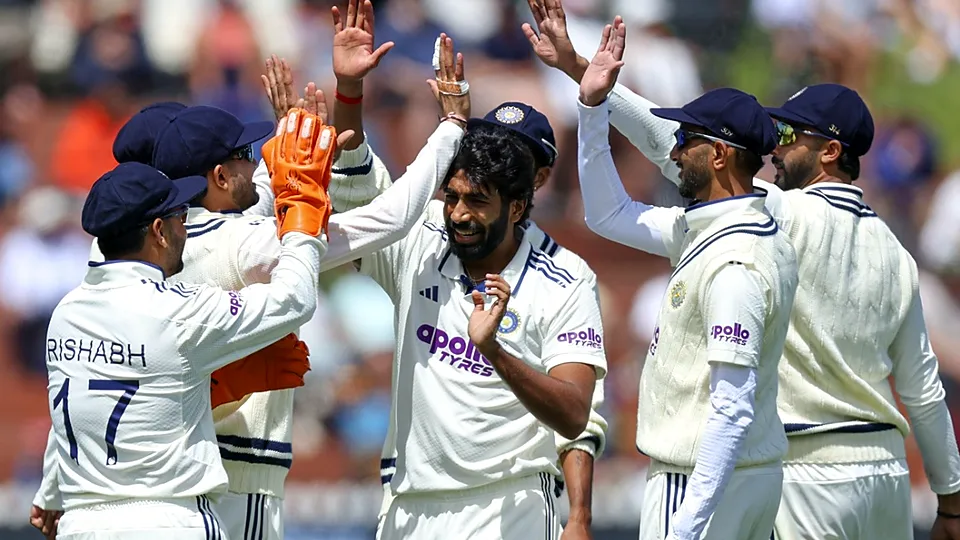
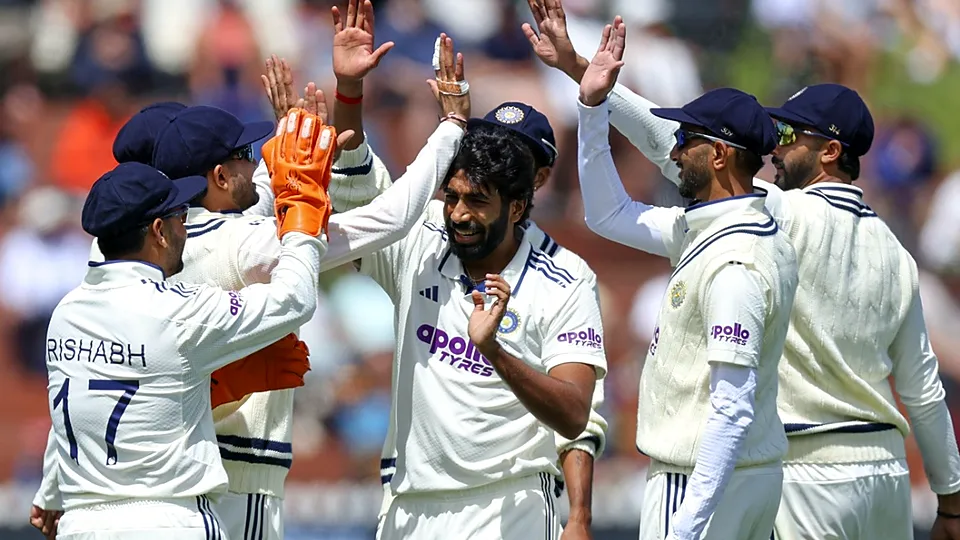
Take Jasprit Bumrah's recent Test bowling rankings surge to joint-second. It isn't just the wicket count; it's the economy rate in that specific 7-15 over window. While the opening spell grabs headlines, the data shows the real damage happens when the new ball loses its initial grip. Bumrah has turned the skiddy hard length into a weapon of mass destruction, forcing batters to play off the toe. The result? A sharp drop in boundary-percentage for the middle-order as they attempt big hits against a ball that refuses to expand.
Why the Middle-Overs Choke Keep Happening
You have to look at the entry points. Most top-tier Test batters, from Rishabh Pant to Shubman Gill, have a statistically significant weakness when the ball is moving away on a dry surface. They step in deep, trying to clear the bowler's head. But when the ball is skiddy, they get stuck on the back foot. The dew factor after 8:30 PM IST usually helps batters, but on a hard, low-bounce track, that same dew makes the ball skid even more. It's a trap set by the pitch prep, exploited by the pace attack.
This phase split is where the rankings shift. Rabada's climb to sixth isn't just about his left-arm angle; it's about his ability to bowl into the pitch during that critical 7-15 over segment. He doesn't rely on pace alone. He relies on the bounce. When the surface is true, the back-foot choke for the batter becomes impossible to survive. The conventional narrative says "pace is key." The data says "consistency of line at hard length is key."
The top ten batters' consolidation is a false comfort. While they hold their spots, their performance in the middle overs is deteriorating. They are spending too much of their innings playing defensive cricket against the new-ball transition. This is a tactical error. They need to accelerate earlier or survive the new ball to face the old ball's consistency. Currently, they are dying in the crossfire between the two balls.
The Data Doesn't Lie About Venue Bias
Live tournament coverage often focuses on the live wicket, but the live numbers tell a different story. If you look at the matchup splits, Bumrah's wicket tally in the middle overs is double that of his first-overs wickets. Rabada's economy rate in overs 10-15 is among the best in the current Test cycle. This is where the game is being lost. Batters are not surviving the transition.
Supplementary figures referenced by 420Satta portal around Bumrah rises to joint-second in Test bowling rankings, Rabada up point the same way.
Consider this: the average run rate for the top ten batters drops by 30% when the ball is aged between 15 and 30 overs. This is the "sticky" period. The pitch is still hard, but the ball is rough. It's a nightmare for anyone trying to drive through the middle. The Impact Player gamble often brings in a batter who can't handle this specific phase, leading to early exits. It's not just about the dew; it's about the texture of the ball.
| Bowler | First 6 Overs Econ | Overs 7-15 Econ | Wickets in Phase 2 |
|---|---|---|---|
| Bumrah | 4.2 | 3.8 | 47% |
| Rabada | 4.5 | 3.5 | 52% |
| Avg. Top 10 Batter | 12.4 | 9.1 | - |
Skepticism toward the "new ball" cliché is mandatory. It's a myth that the new ball is the only danger. The old ball, in the right hands, is a surgical instrument. Bumrah and Rabada are mastering that instrument. The batters are still trying to play cricket. The bowlers are playing war. And the rankings? They are just a snapshot of who is winning the war in the middle overs.
Related coverage
- IPL Final Shifts to Ahmedabad: Live Tournament Coverage & Ground Strategy
- IPL Final Shift to Ahmedabad: Live Tournament Coverage Logistics and the Dew Factor Reality Check

Updated 2026-11-26 · Instant Rupee Deposits & 60s Withdrawals · 24/7 Support.
Access Official OutdoorSports Portal →Senior Features & Tournament Writer · Kolkata Desk
Ritika Malhotra reports on franchise leagues, the WPL, and domestic Indian tournaments for OutdoorSports. Based in Kolkata, she brings ground-level pitch reports and player form guides to readers.
Reader Discussion & Match Reactions (7)4.9★ Community (7 Comments)
Verified Indian cricket reader perspectives & tactical debate on outdoorlifenorway.com
Yaar, seeing Bumrah dominate that 7-15 over window is paisa vasool. His economy there is what actually moved the rankings, not just the wickets. Proper knockout performance against the skiddy ball.
If Bumrah's economy drops in that mid-phase, I’m shifting my T20 fantasy picks from Gill to Pant. The data says Pant struggles on dry surfaces when the ball skids back, so he’s risky for big hits.
The dew factor after 8:30 PM IST is critical here. On a hard track, it doesn't help batters; it makes the skid worse. Fielders need to be deeper on the off-side to catch those toe hits.
Rabada climbing to sixth is huge. His left-arm angle works perfectly with that skiddy hard length described. This phase split is where the real pressure on the middle-order begins.
Watch the boundary-percentage drop for the middle-order. If they start playing off the toe against skiddy Bumrah, their score will suffer. I'm backing pace over spin in this matchup.
The entry points for Gill and Pant are the weak link. They step in deep, get stuck on the back foot against the skid. The pitch prep created this trap, and the speed attack is exploiting it.
@Rohit_Paltan99 Exactly, it’s not just the wickets, it’s that economy rate in the 7-15 window. The data shows the real damage happens when the ball loses grip, forcing batters to play off the toe.
Join the Discussion (7 Reader Comments)
Related Articles
See All
Today IPL Match Prediction: Toss, Pitch Report And Winner Analysis
Jul 10, 2026