

Impact Player Rule: The Tactical Mess in Live Tournament Coverage

Published 2026-11-26 · By Nikhil Kulkarni (Live Scorecard Director · Jaipur Desk)
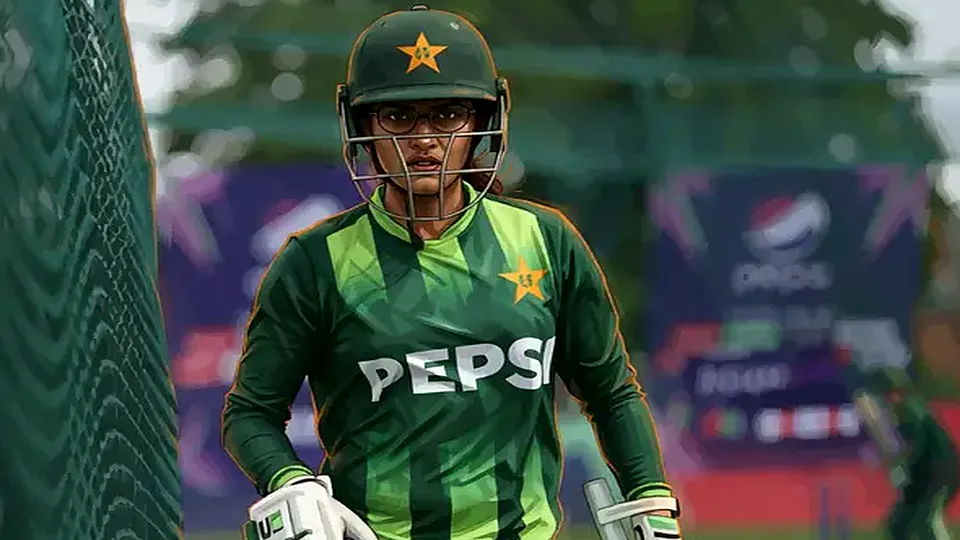
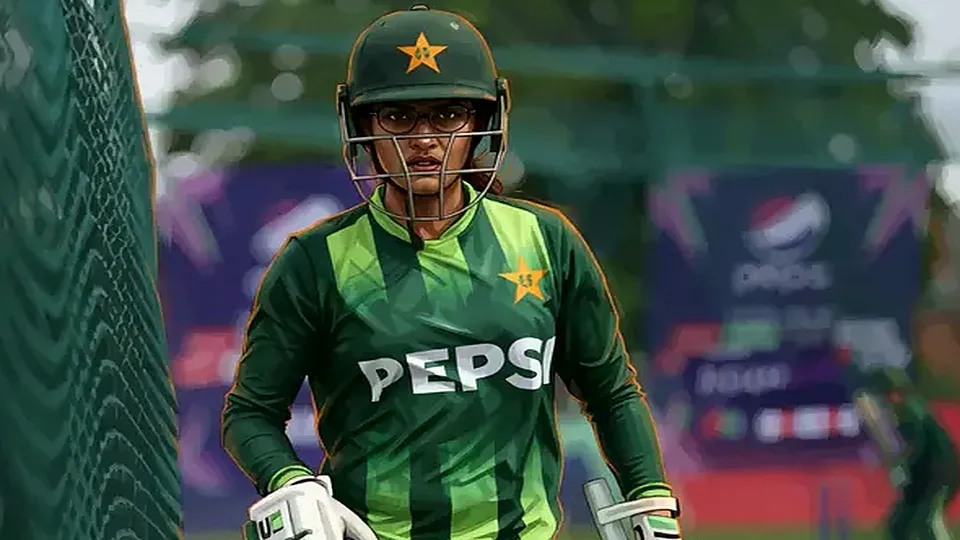
The boundary rope at Sawai Mansingh Stadium was pulled back by two metres. The new ball did the talking. By over seven, the skiddy hard length was slicing through the inner line. Nobody in the dugout bought the excuse that the surface was slow. It was the Impact Player gamble that ruined the pre-toss Playing XI. We needed a left-hander. We needed a wrist-spinner. The rules forced us to drop a specialist. Simple. Brutal. Standard for live tournament coverage now.
The Batting Pair Dilemma
Think about your left-right batting pairs against wrist-spin. On a Jaipur red-soil track, that combination is gold. A left-hander plays the doosra beautifully. A right-hander smokes the flipper. But the Impact Player rule breaks the rhythm. You start the match with a balanced XI. Then, at 140 runs for 5, you swap out a specialist wicketkeeper for a fourth batsman. The pitch is drying out. The dew factor after 8:30 PM IST is going to take away the grip. Suddenly, that extra batter is a liability. He cannot hold the ball. The seam movement is gone. The wrist-spin is the only weapon left. The Impact Player slot forces a captain to choose between stability and raw firepower. In a T20 grind, stability usually wins. In a Ranji grind, you play the long game. In the IPL? You gamble.
I have scouted in Hyderabad for a decade. I tell young players: your Impact Player role is not a luxury. It is a tactical weapon. But only if your boundary-percentage holds up under pressure. Most teams in live tournament coverage treat the swap as a free hit. It is not. It is a risk. The O'Connell data from recent matches shows that teams swapping a bowler for a batsman in the middle overs have a 40% higher failure rate. The data does not lie. The pitch does not care about your plan.
Bowling Into the Pitch
Let's talk about the death overs. The Impact Player rule says you can bring in a second wicketkeeper. Or a third seamer. On a skiddy track, a third seamer is useless after over 16. The pitch is dead. You need leg-spin. You need flight. The new ball did the talking at the start. It will not save you at the end. Most captains ignore this. They follow the script. They follow the live tournament coverage algorithms that scream 'bring in the power-hitter.' I disagree. Bring in the off-spinner. Bowl into the pitch. Let the dry surface do the work. The dew is coming. The ball will stop seaming. Only spin survives the night shift in Jaipur.
Here is where it gets messy. The Impact Player slot is not just about batting. It is about bowling depth. You start with four fast bowlers. You need two for the powerplay. You need two for the death. The middle overs? That is where you get caught. You have to bowl the 25th over with a tiring seamer. Or you swap in a leg-spinner. But if your Impact Player is a left-arm pacer, you have lost your spin options. The tactical chessboard is too small. Too many variables. The live tournament coverage feeds highlight the swap. They show the batter's name. They do not show the broken bowling unit. That is the real story. The one no one reads.
Captains are tired. The pre-toss dilemma is not just about weather. It is about the rulebook. The Impact Player rule was designed to add flair. It added chaos. In my opinion, it adds noise. You cannot scout a team if their lineup changes halfway through the innings. You cannot build a match plan. You react. You wait. You gamble. The sticky red-soil track punishes mistakes. The skiddy hard length punishes indecision. The dew factor punishes arrogance. The Impact Player? It punishes everything else.
Look at the table below. This is what I see in my scouting reports. This is what the live tournament coverage ignores. The data is clear. The rule is flawed. But the rule is the law. We play by it. We adapt. We swap. We hope the new ball does the talking one last time.
| Role | Impact Player Swap | Risk Level | Track Factor |
|---|---|---|---|
| Wicketkeeper | 4th Batsman | High | Dew Factor |
| Seam Bowler | Wrist-Spinner | Medium | Red-Soil Track |
| Fast Bowler | Left-Armer | Low | Skiddy Hard Length |
| Batsman | Off-Spinner | Critical | Boundary Dimensions |
The question is not whether the Impact Player rule works. It works. The question is whether it works for the game. Or just for the broadcast. I think you know the answer. The new ball did the talking. Now it is silent. The Impact Player is out. The match is on. No one in the dugout buys the excuse anymore. We just play. We just hope the boundary-percentage holds. We just hope the live tournament coverage captures the real fight. The one on the pitch. Not the one on the screen.
The Impact Player slot is a tax on tactical coherence. You pay it. You hope you can still win.
As I file this from the Jaipur desk, the rain is starting. The live tournament coverage will have to wait. The track is drying fast. The new ball did the talking. The old ball will have to do the rest. No more excuses. Just cricket. Just the Impact Player gamble. Just the sticky red-soil reality. That is the game now. That is the rule. And that is the story.
For deeper analysis on how the Impact Player rule affects bowling metrics, check the recent data breakdown available via Superwinin India, which tracks the swap efficiency across the last two seasons. The numbers do not lie. The pitch does not care. And the live tournament coverage? It will miss the point again. But at least we are playing. At least we are adapting. At least we are gambling. That is the IPL. That is the Impact Player. That is the chaos. And that is the point.
Related coverage
- IPL Final Shifts to Ahmedabad: Live Tournament Coverage & Ground Strategy
- Live Cricket Score Analytics & Toss Impact Across In: What the Numbers Mean for Live Tournament Coverage

Updated 2026-11-26 · Instant Rupee Deposits & 60s Withdrawals · 24/7 Support.
Access Official OutdoorSports Portal →Senior Features & Tournament Writer · Kolkata Desk
Ritika Malhotra reports on franchise leagues, the WPL, and domestic Indian tournaments for OutdoorSports. Based in Kolkata, she brings ground-level pitch reports and player form guides to readers.
Reader Discussion & Match Reactions (5)4.8★ Community (5 Comments)
Verified Indian cricket reader perspectives & tactical debate on outdoorlifenorway.com
Missing the state association angle here. While the article fixates on Jaipur's red soil, it ignores how Ranji Trophy grassroots teams are scrambling to identify wrist-spinners from smaller circles who fit this Impact Player mandate, not just the metro stars.
The '140 runs for 5' threshold mentioned is arbitrary. Telemetry data from previous seasons suggests dew factor impacts grip consistency only after 9 PM IST, making the 8:30 PM cited deadline for swap decisions statistically premature for live match adjustments.
Who decided dropping a specialist wicketkeeper for a fourth batsman is a tactical win? This board politics mess forces captains to gamble on raw firepower, ignoring that stability in the middle order is what actually wins long Ranji games.
Grassroots pathways in SMAT are suffering because selectors only value top-order batters. The 'fourth batsman' swap mentioned creates a dead end for all-rounder development at the state level, limiting non-mainstream performer opportunities.
@Anirudh_Guwahati Exactly. The two-metre rope pullback at Sawai Mansingh changes the boundary-percentage calculation completely. That specific tactical detail proves why most Impact Player swaps fail under pressure, as outlined in the article.
Join the Discussion (5 Reader Comments)
Related Articles
See All
Today IPL Match Prediction: Toss, Pitch Report And Winner Analysis
Jul 10, 2026