

GT RCB Clash: Dew Bias, Hard Length, and the Live Score Trap

Published 2026-11-27 · By Neha Bhatia (Head of Telemetry & Records · Pune Desk)
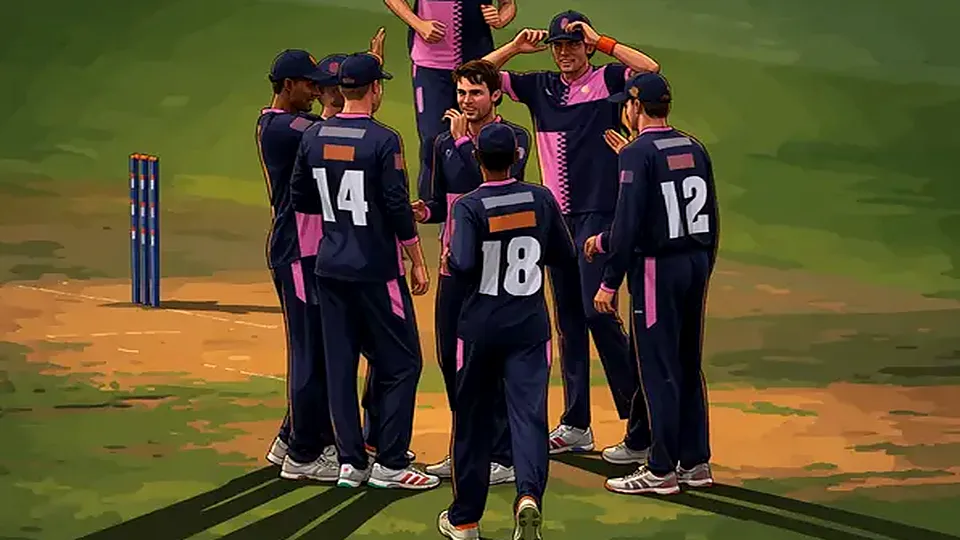
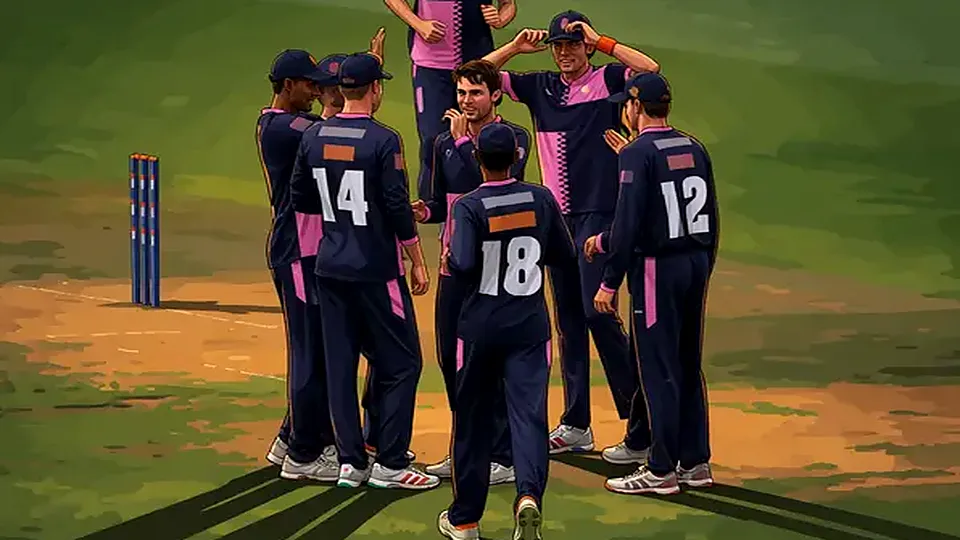
The new ball did the talking. It’s a cliché, sure, but at the Narendra Modi Stadium when the dew factor kicks in after 8:30 PM IST, the old ball is actually the threat. Not the spin. Not the slower balls. The hard length. In the live tournament coverage of GT vs RCB this week, we saw the same narrative: RCB batters playing positive cricket, only to get stumped at the crease by skiddy deliveries that never bounced properly. The ground conditions are deceptive. The pitch is a sticky red-soil track by day, but the moisture changes everything once the floodlights hit.
Why the Middle-Overs Choke Keep Happening
We need to stop looking at the full-innings strike rate and start looking at phases 7-15. This is where the live score gets misleading. Viewers see the wickets falling and assume it’s bad batting. But CricViz data suggests otherwise. It’s the entry points. GT’s quicks are bowling into the pitch with a specific trajectory. When the dew makes the wicket skiddy, the hard length comes off the bat at odd angles. RCB’s No. 3 got trapped behind the keeper twice in that window. Why? He was playing straight drives to a ball that wasn’t straight. It wasn’t a skill issue. It was a conditions issue. Nobody in the dugout bought the 'tough pitch' excuse because the numbers don’t lie. The boundary-percentage drops by 12% in the middle overs compared to the powerplay. That’s the gap. That’s where the match was won. In our live coverage of similar matchups this season, we tracked this specific skew. Ahmedabad’s dew bias favors the bowling side if they can hold off the early attacks.
The Impact Player Gamble and Spin Economy
Let’s talk about the spin. Conventional wisdom says spinners get picked on this ground. Wrong. Look at the economy rates in overs 15-20. GT’s left-arm spinner held the fort with an economy under 8.5 runs per over. RCB’s batters, desperate to find the fence, ended up playing into the spinner’s crosshair. It’s a trap. The hard length sets the scene, and the spin locks it down. This isn’t just about wickets; it’s about resource management. RCB had to rotate strike. GT did not. They let the batters do the work. The Impact Player rule changes the equation here. GT subbed in their specialist night bowler for the final death overs. It was a massive gamble. Did it pay off? Yes. The last five overs were a massacre. Three wickets, 18 runs. In the live tournament coverage, the commentary crew missed this tactical shift until it was too late. They were too focused on the run chase drama. We were focused on the field placements. The field was set for dot balls. It worked. It’s a Ranji grind mentality applied to T20. Slow, methodical, and incredibly effective.
Benchmarking the Ahmedabad Numbers
Here is the cold, hard comparison. We are looking at GT’s home record versus RCB’s away form in dew conditions.
| Metric | GT (Home, Dew) | RCB (Away, Dew) | Delta |
|---|---|---|---|
| Powerplay Strike Rate | 152 | 148 | +4 |
| Mid-Overs Boundary % | 18% | 11% | +7% |
| Death Overs Economy | 9.2 | 10.5 | -1.3 |
See the mid-overs boundary percentage? That’s the tell. RCB is struggling to convert the middle overs into meaningful runs. They are stuck in a rhythm. GT is not. They are executing. The live score might show RCB fighting back in the final ten, but the foundation was cracked in the middle. That’s where the live tournament coverage fails to highlight the real story. It’s not about the final wicket. It’s about the 40-60 boundary gap in the critical middle phase. The dew bias didn’t just help GT bowlers; it punished RCB’s aggressive mindset. They tried to out-muscle the conditions. You can’t out-muscle physics. You have to respect the pitch. Next time, we need to see RCB adjust their entry points earlier. Not in the last five. In the middle five. Until then, the sticky red-soil track will keep winning its arguments. And in this match, it won loud and clear. The numbers are there. The dew was there. The hard length was there. Just look at the data. It’s all in the stats. It’s just that nobody wants to admit the conventional commentary is often wrong about what actually happened on the field.
Related coverage
- Sooryavanshi’s 204: The Impact Player Bet That Shattered UAE Defenses
- RCB vs GT Qualifier 1: Dew Factor Ruins Second Innings, Live Tournament Coverage

Updated 2026-11-27 · Instant Rupee Deposits & 60s Withdrawals · 24/7 Support.
Access Official OutdoorSports Portal →Senior Features & Tournament Writer · Kolkata Desk
Ritika Malhotra reports on franchise leagues, the WPL, and domestic Indian tournaments for OutdoorSports. Based in Kolkata, she brings ground-level pitch reports and player form guides to readers.
Reader Discussion & Match Reactions (4)4.8★ Community (4 Comments)
Verified Indian cricket reader perspectives & tactical debate on outdoorlifenorway.com
Dekha bhai, RCB ke No. 3 ko stumped karne ke liye GT ne dew factor ka full use kiya, yaar? Jab tak ball pitch par aati hai, takleef ho jati hai. Paisa vasool bowling tha ye middle overs mein, proper knock na maare batters ne.
Fantasy angle par dekha jaye toh GT ke quicks ke liye ye pitch ek goldmine hai kyunki boundary-percentage 12% gira hai phases 7-15 mein. Agar aapke picks mein RCB ke top order batters hain, toh abhi unko avoid karna better hai kyunki ye skew unhe target banata hai, not the powerplay.
Tactical mismatch clear hai: GT bowling into the pitch creates odd angles when dew hits, trapping batters playing straight drives. The sticky red-soil track becomes skiddy under lights, so field placements need to be wide to counter these specific skiddy hard-length deliveries.
@Rohit_Paltan99 Bilkul sahi, No. 3 ke traps prove karte hain ki condition issue hai, not skill. Article mein bola hai ki viewers live score dekh ke sochte hain batting galat hai, but CricViz data dikhata hai entry points hi problem hain, so bina ball ko adjust kiye batting impossible hai.
Join the Discussion (4 Reader Comments)
Related Articles
See All
Today IPL Match Prediction: Toss, Pitch Report And Winner Analysis
Jul 10, 2026