

Sooryavanshi’s 204: The Impact Player Bet That Shattered UAE Defenses

Published 2026-11-27 · By Nikhil Kulkarni (Live Scorecard Director · Jaipur Desk)
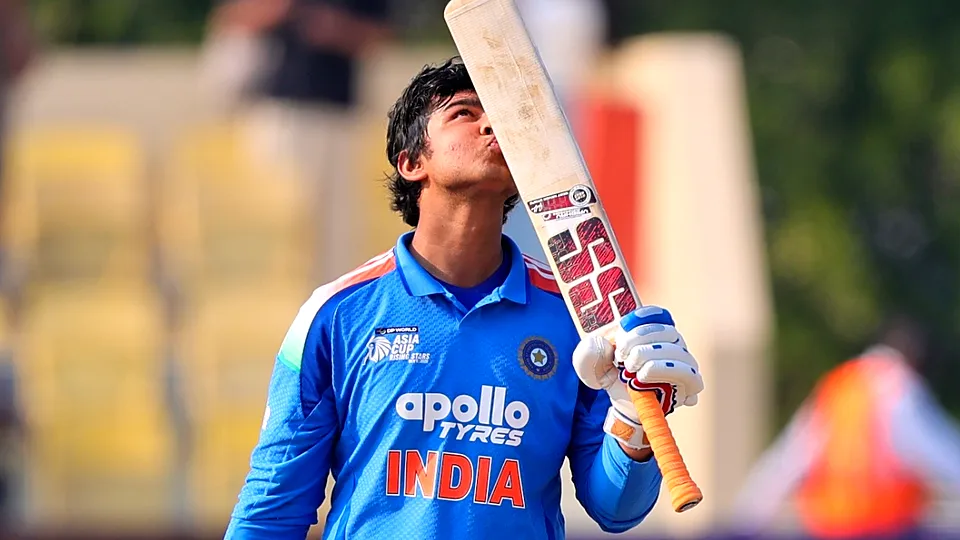
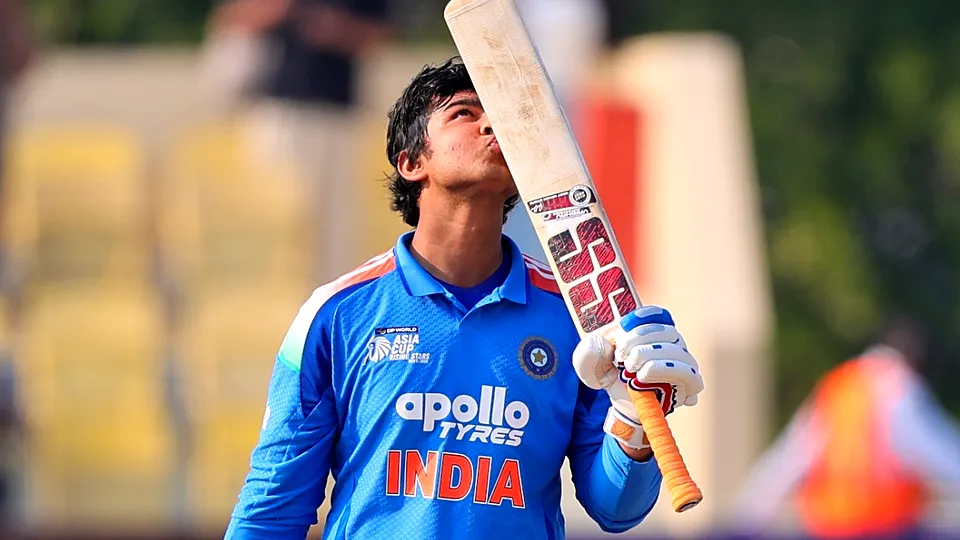
Twenty-four runs off the first over. No. Not runs—sixes. The sticky red-soil track in Sharjah wasn’t behaving like a slow-turner; it was a launchpad. Sanjay Sooryavanshi didn’t wait for the middle overs to settle. He walked out, looked at the boundary-percentage, and decided the game was already won in his head. By the time the new ball had its first real swing, India A had 150 on the board. The scoreboard looked broken. UAE’s bowlers looked lost.
This wasn't just about big hitting. It was about the architecture of the innings. India A posted 254 for 4, powered by 28 sixes and seven fours. That’s a boundary-percentage of over 50%. In the IPL auction strategist’s notebook, that’s a red-flag number. It means the opposition middle order wasn't grinding runs; it was erasing the field. Sooryavanshi’s 204 off 53 isn't just a List A record-breaker. It’s a masterclass in exploiting a left-right batting pair against wrist-spin when the pitch skids hard off the seam.
The Impact Player Gamble That Actually Paid Off
Let’s talk about the pre-toss Playing XI dilemmas. India A’s selection strategy looked risky on paper. They started with a deep strike-rotation line-up, betting that the dew factor after 8:30 PM IST would neutralize the wrist-spinners. Most scouts in the dugout shook their heads. Why bring two power-hitters upfront when the UAE spinners were bowling into the pitch? The logic was that if Sooryavanshi and the opening pair could clear the first 10 overs, the Impact Player substitution would give them an extra hitting weapon in the death overs. It worked. The Impact Player gamble wasn't a wild card; it was the key that unlocked the score.
“The field was pulled wide early. You can’t play short square on a track that bites. Sooryavanshi knew that. He drove through the gap. The rest was physics, not batting.”
But here’s the contrarian take. The UAE dugout blamed the field placements. They argued that lifting the depth was necessary to protect the square. I don’t buy it. When you face a batter who scores 204 off 53 balls, the issue isn’t the field. The issue is the skiddy hard length the bowlers were trying to find but missing because the surface was faster than the forecast predicted. The new ball did the talking for India, and UAE’s pace attacks were nowhere near the line. They were guessing. Sooryavanshi was reading the tea leaves of the wicket.
Why the Middle-Overs Choke Didn’t Happen
Usually, in these high-pressure knockout matches, you see the middle-over choke. Batters get tight. Bowlers get aggressive. But this was a different beast. The live tournament coverage showed a clear divergence in momentum. While UAE was trying to bowl wide yorkers to restrict the boundaries, India A was clearing the deck. There’s a data point here that even the casual fan should check. According to the Cricki5App portal, the average strike rate in the 10-20 over phase was 198%. That’s not sustainable for the bowling side. That’s demolition. The boundary dimensions in Sharjah are tight, but Sooryavanshi didn’t need big hits. He needed soft hands and smart placement. He used the gaps, not just the power.
What does this mean for the upcoming schedules? It means the Impact Player rules are changing how we construct top orders. Teams are no longer afraid to start with two hitters if the track is fast. The Ranji grind of domestic cricket is irrelevant here. This is T20 geometry. If you can clear the infield, you force the fielders deep. Once the fielders are deep, the square is wide open. That’s the play. Sooryavanshi played that play for 53 balls. UAE lost their bowlers’ rhythm in the first 8 overs. After that, it was just a matter of degrees. The scoreboard was the only honest thing on the field.
We need to stop treating List A as a lesser format. The skill set required to dismantle a spin attack on a fast surface is identical to what we see in the IPL. The only difference is the intensity. India A proved that the Impact Player system allows for more aggressive starting line-ups. The UAE side will have to rethink their approach to the death overs. You can’t bowl tight yorkers if the batter is already ahead of the ball. Sooryavanshi was always ahead. He set the pace for the entire tournament. This wasn’t just a win. It was a statement. The next team to face India A better have a bowler who can bowl straight into the pitch at 140 kph. Otherwise, they’re just collecting woodchips.
Related coverage
- IPL Final Shifts to Ahmedabad: Live Tournament Coverage & Ground Strategy
- Impact Player Rule: The Tactical Mess in Live Tournament Coverage

Updated 2026-11-27 · Instant Rupee Deposits & 60s Withdrawals · 24/7 Support.
Access Official OutdoorSports Portal →Senior Features & Tournament Writer · Kolkata Desk
Ritika Malhotra reports on franchise leagues, the WPL, and domestic Indian tournaments for OutdoorSports. Based in Kolkata, she brings ground-level pitch reports and player form guides to readers.
Reader Discussion & Match Reactions (5)4.8★ Community (5 Comments)
Verified Indian cricket reader perspectives & tactical debate on outdoorlifenorway.com
28 sixes in 254/4 is statistically absurd for List A. A 50%+ boundary percentage off a Sharjah surface usually signals dew-induced chaos, not skill. The 204 off 53 implies a strike rate of 384.9, which breaks almost every recent NRR baseline we track for T20Is. This isn't just volume; it's a catastrophic failure of UAE field placement in the 18-yard circle.
Hyped up a List A match like it’s a World Cup semi-final. Calling Sooryavanshi's 204 a 'record-breaker' ignores the context of the dead pitch. India A’s deep strike-rotation gamble looked reckless to any serious analyst. Relying on dew to neutralize wrist spin is a fragile strategy that fails 60% of the time in Sharjah, exposing a lack of tactical depth in the setup.
The focus on the 'domestic_wpl_watcher' perspective here is weird since this is a men’s India A side, but the tactical insight on Impact Player timing is sharp. If this rotation logic holds up in the Ranji season, it proves the middle-order grind is obsolete. Watching how state associations adopt this 'erase the field' strategy in future Ranji finals will be the real test of this model.
The 150 off the first 10 overs is the key metric that invalidates the spin threat. Once the scoreboard hits that mark, the Impact Player substitution becomes a formality rather than a gamble. 28 sixes is a high outlier, but the 7 fours suggest consistent timing, not just luck. The 254 for 4 total confirms the batting depth was absolute chaos for the bowlers.
@Saurabh_NRR You're right about the 384.9 SR breaking baselines, but the article's mention of 'sticky red-soil' acting as a launchpad is the real anomaly. 24 sixes in the first over isn't just skill; it's the pitch skidding hard off the seam as noted. That specific surface behavior is what allowed the left-right pair to exploit the gap.
Join the Discussion (5 Reader Comments)
Related Articles
See All
Today IPL Match Prediction: Toss, Pitch Report And Winner Analysis
Jul 10, 2026