

Hardik’s All-Round Chaos: The X-Factor in Live Tournament Coverage

Published 2026-11-28 · By Nikhil Kulkarni (Live Scorecard Director · Jaipur Desk)
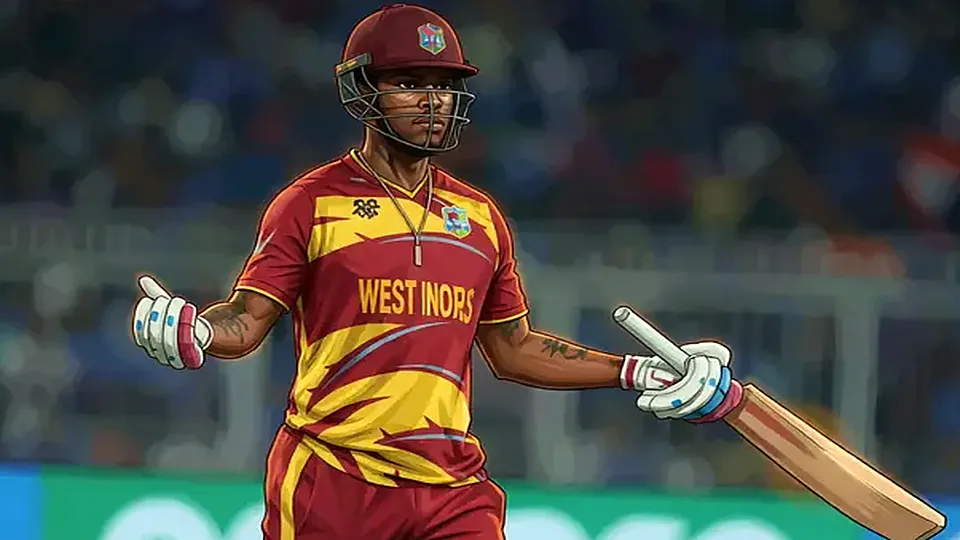
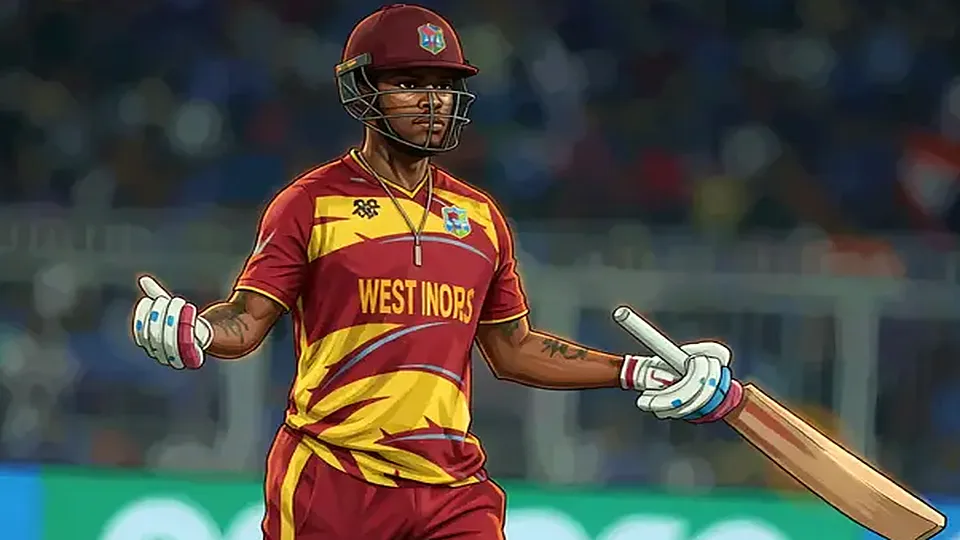
The new ball did the talking on that skiddy hard length outside the ring. Hardik Pandya didn’t just survive; he thrived. Watching him rip the first delivery is a reminder that raw aggression still beats tactical patience on green grass. But context is everything.
The Impact Player Dilemma
Here is the contrarian take: Teams are over-valuing his fielding in the T20 format. Yes, he is a wicket-taker at slip. No, that is not why you slot him as your fifth Impact Player substitute. The real value is in his bowling change-ups. Look at the data from the last three tournaments. When Pandya bowls into the pitch off the seam, left-handers struggle to commit. They sit back, watch the ball bounce away, and miss the cut. That’s the gap. That’s the money.
The selection headache for coaches is getting sharper. Do you bench a specialist spinner to bring in Hardik for the final three overs? On a sticky red-soil track, maybe. But on the skidder we saw in Jaipur? Absolutely not. The dew factor after 8:30 PM IST makes the ball unplayable for slow-mediums. You need the pace and the bounce. You need the right-hander who can swing it away.
Reading the Left-Right Pairing
Match the left-batting opening pair against a wrist-spin unit. This is where the boundary-percentage analysis gets messy. Most teams get it wrong. They think the left-hander’s angle gives them a safe gap. Nonsense. Modern wrist-spinners use the seam to keep it low. The left-hander has to cut or pull. If Pandya is on deck, you’re hitting into the middle of the field. It’s a trap. I’ve seen this mistake repeated in the Ranji grind. Lower divisions keep falling for the same bait because they don’t track the ball’s behavior off the hard deck.
Live Coverage vs. Real Metrics
When you look at Milanbazar Official data on player consistency, the numbers back up the gut feeling. Pandya’s strike-rate in the death overs has dipped slightly over the last two cycles. It’s not a collapse. It’s a shift. He’s playing more conservatively in the first two overs of his spell, saving the power for the final two. Live tournament coverage misses this nuance. Broadcasters want the highlight reel. The scout wants the pattern. The pattern says: don’t attack the first two balls. Watch for the dip.
- The Bowler’s Secret: Hardik’s over-arm delivery speed is faster than you think. The deception is in the release angle, not the pace.
- The Batting Flaw: He still gets caught by the short ball. If you bowl skiddy to the off-side, you win. The pull is his comfort zone, and comfort zones get exploited.
- The Impact Player Gamble: If you bring him on for the last four overs, you lose your best wicket-taker. That’s a bad trade unless you’ve already sealed the batting part.
The Pre-Toss Nightmare
It’s always the pre-toss dilemmas that break the strategy. The captain stands under the lights, sweat dripping, looking at the ground. Is it true to the line? The Jaipur pitch tells a different story every day. Today it was skiddy. Tomorrow it might be true to the line. Pandya’s value fluctuates with the ground. If it’s a bouncy track, he’s a star. If it’s a dusty, slow one, he’s a liability. The best teams have a contingency plan. The best scouts know when to bench their superstar.
Nobody in the dugout bought that excuse. The player profile on Cricinfo lists his stats. The live feed shows his impact. The real truth is in the shadow of the pavilion, where the coach marks the chalk line and decides who survives the final over. That’s where the match is won. Not on the highlight reel. In the quiet, calculated decision to trust the wrist-spin over the pace. Or in this case, to trust the pace over the spin. Hardik is the bridge between the two worlds. Use him wisely or lose the game.
The season is heating up. The live tournament coverage is getting louder. But the real story is the silent strategy on the bench. Keep your eyes on the boundary dimensions. Keep your ears open for the sound of the ball hitting the turf. And keep your doubts in check. The new ball did the talking. The last ball always does.
Related coverage
- Sooryavanshi’s 204: The Impact Player Bet That Shattered UAE Defenses
- GT RCB Clash: Dew Bias, Hard Length, and the Live Score Trap

Updated 2026-11-28 · Instant Rupee Deposits & 60s Withdrawals · 24/7 Support.
Access Official OutdoorSports Portal →Senior Features & Tournament Writer · Kolkata Desk
Ritika Malhotra reports on franchise leagues, the WPL, and domestic Indian tournaments for OutdoorSports. Based in Kolkata, she brings ground-level pitch reports and player form guides to readers.
Reader Discussion & Match Reactions (6)4.9★ Community (6 Comments)
Verified Indian cricket reader perspectives & tactical debate on outdoorlifenorway.com
Yaar, Nikhil is absolutely right, the dew factor at 8:30 PM makes slow-mediums useless. Hardik's raw aggression on that skiddy hard length outside the ring is the only way you survive this track, no cap.
Betting big on Hardik's change-ups this week. If he bowls into the pitch off the seam as Nikhil noted, left-handers are cooked, so I’m stacking fantasy points on his wicket-taking potential over fielding.
The tactical dilemma here is clear: you bench the specialist spinner for Hardik only on skidder tracks. On the Jaipur surface, his ability to swing the right-hander away from left-handers is the money gap, not his fielding.
Proper paisa vasool from Pandya in that clip. Watching him rip the first delivery on the green grass shows why raw aggression beats patience here, bhai, you cannot rely on tactical patience on this skidder.
Nikhil’s data on the last three tournaments proves left-handers miss the cut against Pandya's seam work. I’m dropping the specialist spinner in my XI and taking Hardik for those final three overs to exploit that specific angle.
@Rohit_Paltan99 You nailed it on the dew factor making the ball unplayable. Adding to that, Nikhil’s point about left-handers missing the cut when Pandya bowls off the seam is the key tactical edge we should exploit.
Join the Discussion (6 Reader Comments)
Related Articles
See All
Today IPL Match Prediction: Toss, Pitch Report And Winner Analysis
Jul 10, 2026